
Tooth Abscess
A tooth abscess is a pocket of infection that won't heal on its own, and in children it can spread quickly. We treat it under sedation at our Maitland office, removing the source of infection along with any other needed care, for families from Orlando and across Central Florida.
Medically reviewed by Dr. Afsoon Elmore · Last reviewed
What is a tooth abscess?
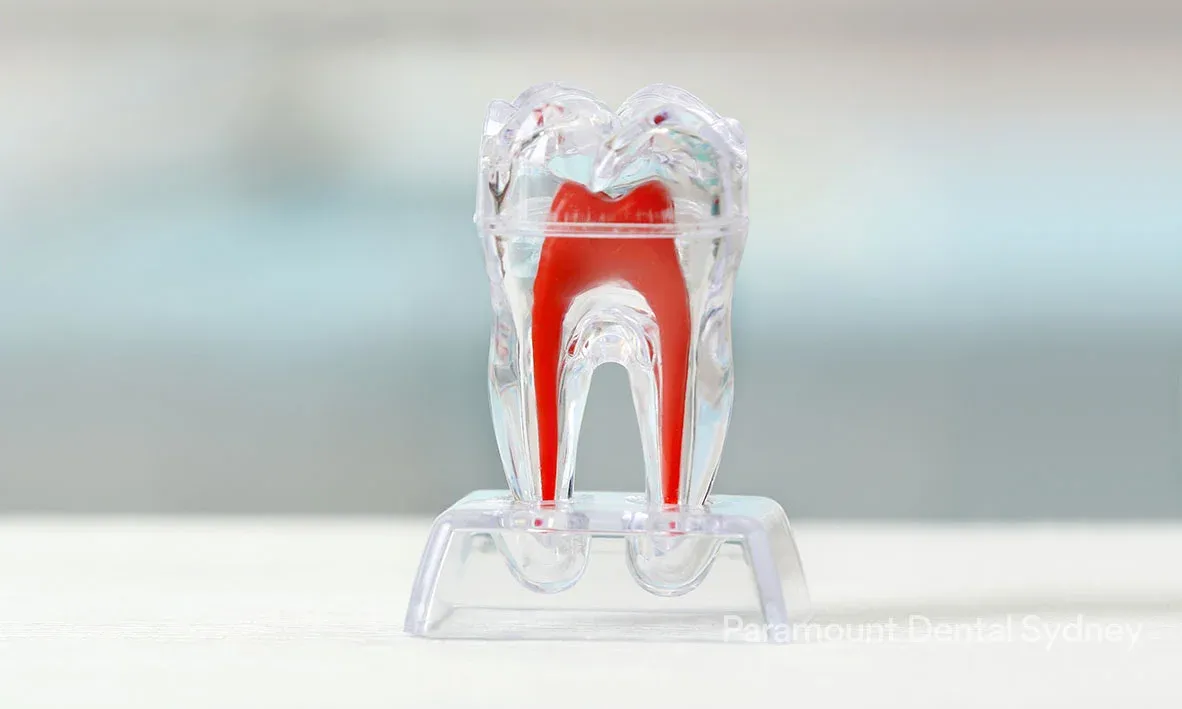
A tooth abscess is a pocket of pus caused by a bacterial infection, usually at the tip of the root or in the gum beside the tooth. In children it most often starts with an untreated cavity that reaches the nerve, or with an injury that damages it. It can cause significant pain and swelling, and once it forms it will not heal without dental treatment.
How is a tooth abscess treated?
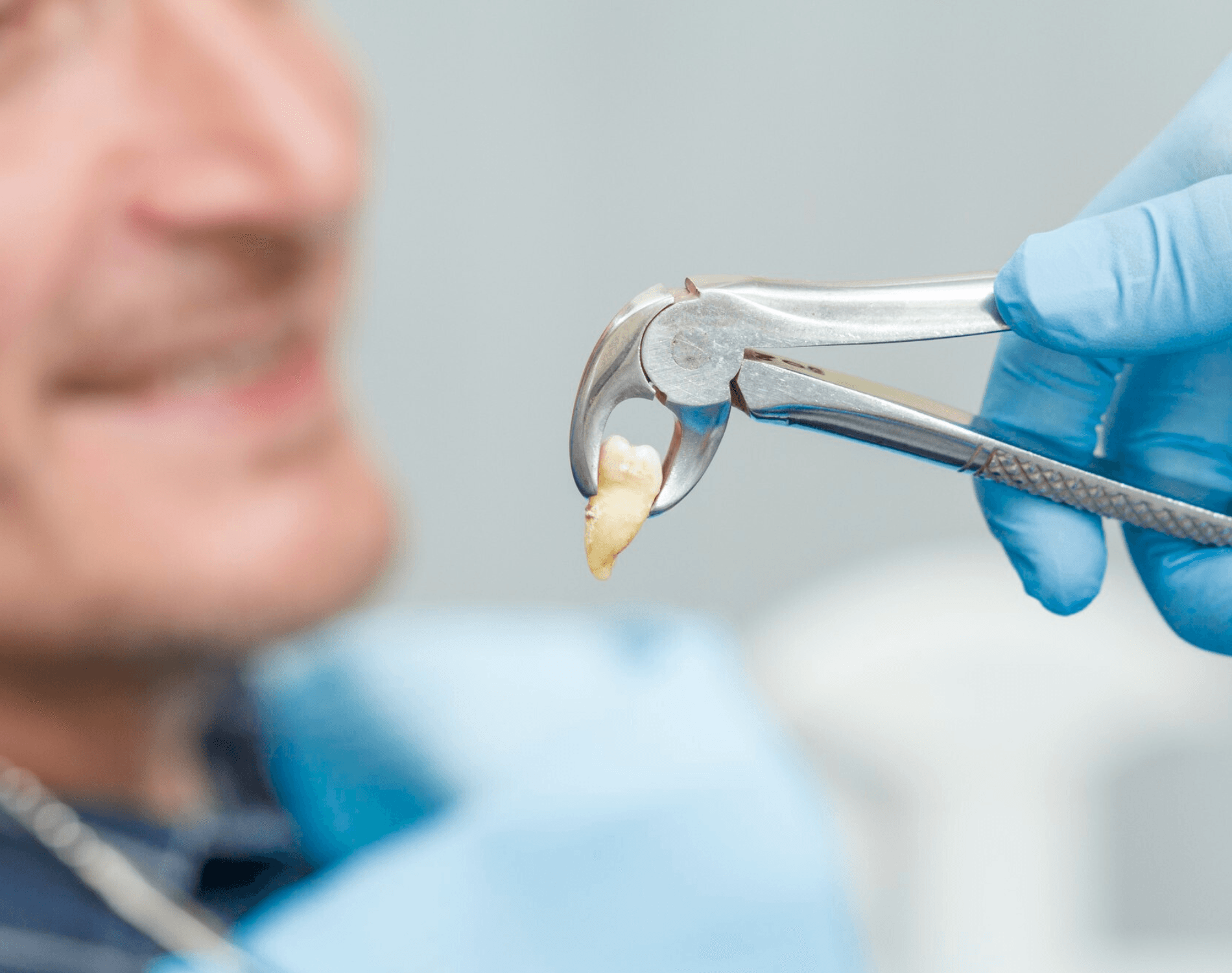
Under sedation, the infected nerve tissue is removed and the tooth is cleaned and sealed, or the tooth is extracted if it can't be saved, and any pus is drained. This is done alongside any other dental work planned for the same visit. Antibiotics may be prescribed when the infection has spread or your child has a fever, and a follow-up confirms the infection has cleared.
What to Expect, Step by Step
- Prompt Exam & X-Rays: Dr. Elmore examines the tooth and gum and takes X-rays to see how far the infection has spread and whether the tooth can be saved.
- Controlling the Infection: If there's spreading swelling or fever, antibiotics may be prescribed. They calm the infection but don't remove its source, so the tooth still needs treatment.
- Treatment Under Sedation: With your child comfortably sedated, the infected nerve is removed and the tooth sealed, or the tooth is extracted. This usually takes 45 to 75 minutes of the visit.
- Healing & Follow-Up: Soreness and swelling ease over a few days. A follow-up confirms the infection is gone, and if a back baby tooth was removed, we discuss a space maintainer.
How does treating an abscess help?
Treating the abscess removes the source of infection, relieves the pain and pressure, and lets the gum and bone heal. It also protects the permanent tooth developing underneath a baby tooth. Because the rest of your child's dental needs are handled in the same session, there's no need to return for separate appointments while the infection is active.
Why it can't wait
An abscess doesn't go away on its own. Even when the pain fades because the nerve has died or the abscess has drained, the infection stays. In a baby tooth, it can damage the enamel of the permanent tooth forming just underneath, and an untreated infection can spread into the face, jaw or bloodstream, which can become a medical emergency.
When a Tooth Abscess Needs the Emergency Room
Swelling Near the Eye or Neck: Facial swelling that spreads toward the eye, makes the eye puff shut, or moves down to the neck is an emergency. Go to the emergency room right away, day or night. Trouble Swallowing or Breathing: Difficulty swallowing, drooling, a muffled voice or any breathing trouble can mean the infection is spreading into the throat. Call 911 or go to the ER. High Fever or Very Ill: A high fever, unusual sleepiness or a child who seems very sick along with tooth swelling can mean a spreading infection. Go to an emergency room rather than waiting for a dental visit. Can't Open the Mouth: Trouble opening the mouth, or refusing to drink until your child seems dehydrated, needs emergency care. Once they're stable, call us to plan the dental treatment.
Warning Signs
Signs Your Child May Have a Tooth Abscess
Persistent Tooth Pain
Throbbing pain that doesn't go away, or pain when chewing, can mean an infection inside the tooth. Pain that wakes your child at night is another warning sign.
A Bump on the Gum
A small pimple-like bump on the gum near a tooth is one of the most common signs of an abscess in children. It may leak a bad-tasting fluid and come back after it drains.
Swelling or Fever
Swelling of the gum, cheek or jaw means the infection may be spreading. A fever along with tooth pain needs prompt care.
A Dark or Injured Tooth
A tooth that turns gray or dark after a fall may have a damaged nerve. That tooth, or one with a large untreated cavity, can develop an abscess even before it hurts.


Tooth Abscess Treatment in Maitland
Clearing the Infection in One Visit
When an abscess is found, treatment is included in your child's comprehensive visit at our Maitland office, just north of Orlando. Under sedation, the infected pulp is removed, or the tooth is extracted if it can't be saved, and the area is cleaned, along with any other needed dental work. Treating the abscess usually takes 45 to 75 minutes of the visit. Families from Orlando and across Central Florida come to us so the infection and the rest of their child's care are handled together.
If antibiotics are prescribed, finish the full course even if your child feels better.
Quiero expresar mi agradecimiento y recomendar ampliamente a la Dra Afsoon Elmore y su equipo por su excelente atención, paciencia y profesionalismo. Llevar a un niño con autismo al odontólogo puede ser todo un desafío, especialmente cuando sienten nervios, ansiedad y les cuesta cooperar durante los procedimientos. Sin embargo, la Dra y su equipo demostró una sensibilidad, dedicación y…

Francis Mendoza
Google review · Nov 2026
⭐⭐⭐⭐⭐ 5 MILLION STARS for Dr. Elmore and her amazing team! ⭐⭐⭐⭐⭐ I honestly cannot say enough wonderful things about Dr. Elmore and her entire team. My son is autistic, non-speaking, and requires special care when it comes to medical and dental procedures. He has been under Dr. Elmore’s care multiple times over the past few years, and every single experience has been absolutely amazing. Dr…

M C
Google review · Sep 2026
Dr. Elmore es una dentista exepcinal, especialmente con niños de necesidades especiales. Mi hijo tiene autismo y sindrome de Down, asi que no es facil encontrar a dentistas que trabajen bien con estos niños. La Dr. Elmore tambien tiene un niño con autismo asi que sabe como tratarlos. Si necesitan, puede hacer el trabajo dental bajo anestecia en el hospital. Ella es una doctora que se preocupa…

Zuimdie Guerra
Google review · Sep 2026
Dr A Elmore staff and services were 2nd to none. I recommend her to everyone especially if your child has specific dental needs she and her staff were very accommodating, professional and super nice. We really appreciate you thank you so much for a great visit 😄

James Franceschetti Jr.
Google review · Sep 2026
Amazing experience. Dr. Afsoon made sure we understood the process and answered all our questions over the phone as well as the day of treatment. Everything was smooth and the whole team was super profesional and kid friendly. My son never complained of pain afterwards and can now speak better and not drool as much. Thank you Dr. Afsoon and Team! Before and after pictures below 😍

Stephanie V
Google review · Sep 2026
My goodness dr. Elmore & her staff were a 10/10 truly ! Not a single bad thing to say , my son is on the spectrum & hadn’t been able to go to a dentist , dr. Elmore took such good care of him , he was super comfortable , process went smooth & they walked me through the whole process. Highly recommend !

Anilsa Ortiz
Google review · Apr 2026
My 4 year old girl has been terrified of the dentist. She has not been complaining about pain but for the past 6 months her eating habits were terrible. She finally was able to have X-rays taken, and we were confirmed that she had cavities in her molars. The entire staff at this hospital is amazing and so caring! Dr. Elmore talked me through the entire procedure and answered all my questions…

Marie Deaver
Google review · Apr 2026
We had a great experience with Dr. Elmore and her staff. Dr. Elmore took the time to listen to my concerns and answered all my questions. I felt very comfortable and confident in the care my daughter received. Highly recommended! Also wanted to thank Andrea! Due to a reaction my daughter had after a prior surgery with a different provider, I had a lot of concerns and needed to submit some extra…

Alex Larson
Google review · Feb 2026
Dr. Afsoon Elmore, DDS Is the best oral surgeon for kids that I know of. She is so caring, concerned, and most of all helpful through the surgerical process. She has always made herself available for any concerns I may have had. Thank you Dr. Elmore and your team is the best. I highly recommend Dr. Elmore for your child surgerical needs.⭐️⭐️⭐️⭐️⭐️

Jeannette Killingsworth
Google review · Aug 2025
Dr. Elmore is God sent she really did a phenomenal job I feel so grateful for the work she did on my daughter. Between the nurses before and during surgery to post op they were constantly communicating with me informing me step by step procedures and I felt super comfortable. It was my daughter’s first time ever being in surgery and I thought I was going to be scared or crying and it was the…

Vicquel Figuereo
Google review · Dec 2024
I dont have enough characters for all the flowers Dr Elmor deserves. She always goes above and beyond for each child and she remembers each one! It amazes me to see someone so personable to my son. She always showers all her patients not just my son who is autistic with gifts i love that. I tell her everytime i dont knownwhy you wont do other stuff you are beyond amazing. Surgery is always the…

June Byrd
Google review · Jun 2024
This was the best experience we have ever had with an oral surgeon. Doctor Elmore and the nurses were amazing from the time of scheduling the consultation, checking in with us to see my son’s comfort and pain level while waiting for the appointment. The morning of the office was clean, informative, helpful, and so kind. Everyone was very clear on what to expect and made sure my 4 year old was as…

Alex
Google review · Jun 2024
faq
Frequently Asked Questions
What causes a tooth abscess in children?
Most tooth abscesses in children start with an untreated cavity that reaches the nerve, letting bacteria infect the inside of the tooth. A fall or injury that damages the nerve can also cause one, sometimes months later. The infection forms a pocket of pus at the root or gum, causing pain and swelling.
Is a tooth abscess an emergency?
A tooth abscess always needs prompt dental care, so call (407) 629-6464 as soon as you notice one. It becomes a medical emergency if facial swelling spreads toward the eye or neck, or your child has a high fever, trouble swallowing or breathing, or seems very ill. In those cases, go to the emergency room right away.
How is a tooth abscess treated?
Under sedation, the infected nerve tissue is removed and the tooth is cleaned and sealed, or the tooth is extracted if it can't be saved. Any pus is drained and the area is cleaned to eliminate bacteria. This is done along with any other dental work planned for the same visit.
Does my child need antibiotics for a tooth abscess?
Sometimes. Antibiotics are used when the infection is spreading, there's facial swelling or your child has a fever, but American Dental Association guidance is clear that they don't replace treating the tooth. If antibiotics are prescribed, finish the full course even if your child feels better, or the infection can return.
Can a tooth abscess go away on its own?
No. The pain may fade if the nerve dies or the abscess drains through a bump on the gum, but the infection stays inside the tooth and can flare up again or spread. Only dental treatment, removing the infected nerve or the tooth, gets rid of the source of the infection.
Can a baby tooth abscess hurt the permanent tooth?
Yes. The permanent tooth develops right beneath the baby tooth's roots, and an infection there can damage its enamel, leaving white, yellow or brown spots or a weaker surface when it comes in. That's why an abscessed baby tooth should be treated promptly even though it will eventually fall out.
What can I do at home until the appointment?
Give acetaminophen or ibuprofen as directed for your child's age and weight, and never put aspirin on the gum. A cold compress on the outside of the cheek can ease swelling. Older children who can spit can rinse with warm salt water. Don't squeeze or pop a gum bump, and don't apply heat to the face.
How long does tooth abscess treatment take?
Treating the abscess usually takes 45 to 75 minutes of the comprehensive visit, depending on whether the tooth needs nerve treatment or extraction. The total visit length includes any other procedures planned for the same session, and we'll give you an estimate in advance so you can plan the day.
What is recovery like after abscess treatment?
Mild soreness and swelling are expected for a few days and can be managed with a children's pain reliever and soft foods. Swelling should steadily go down; if it gets bigger after treatment, call us. Attend the follow-up visit so we can confirm the infection has fully cleared.
Does insurance cover tooth abscess treatment for kids?
Most dental plans cover treatment of a tooth infection, such as nerve treatment or extraction, though coverage for sedation varies. We accept most major dental insurance plans, including Florida Healthy Kids and DentaQuest, and our team verifies your benefits before treatment. FSA or HSA funds and the Sunbit payment plan can help with any remaining cost.
Where can my child get tooth abscess treatment near Orlando?
Call our Maitland office at (407) 629-6464; if your child has facial swelling, fever or trouble swallowing, seek immediate emergency care first. Our office is at 668 N Orlando Ave, Suite 1008, in Maitland, just north of Orlando, and families come to us from Orlando, Winter Park, Altamonte Springs and across Central Florida.
treatments
Related Treatments

Ready to Take the Next Step?
Thoughtful Dental Care for Your Child Starts Here
Our team will guide you through every step — from evaluation to treatment — with clarity and care.