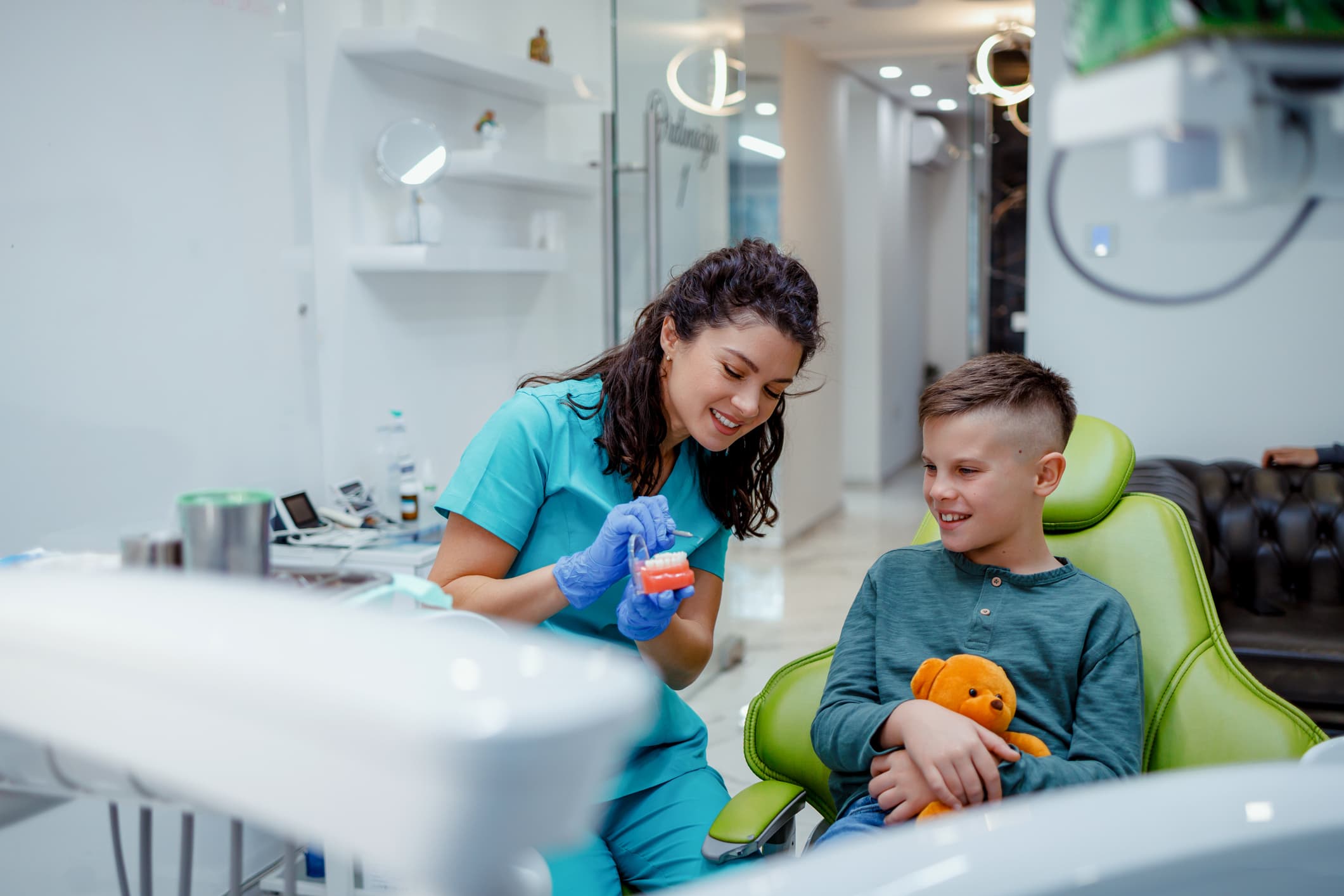
Dental Care for Children with Autism
Dental care for children with autism built around predictability, sensory comfort and your child's pace, with sedation or general anesthesia when a regular dental chair isn't the right fit. Our Maitland office welcomes families from Orlando and across Central Florida.
What it is
Dental care for children with autism is an adapted approach that puts sensory comfort, routine and clear communication first. According to the CDC, about 1 in 31 children in the U.S. is diagnosed with autism, and many find bright lights, buzzing tools, strange tastes and touch in the mouth overwhelming. By creating a calm, predictable environment and working at each child's pace, the team helps children with autism get the consistent oral care they need.
How it works
Care starts by learning about your child: their triggers, how they communicate and what calms them. Familiarization visits, visual schedules, social stories and the tell-show-do technique recommended by the American Academy of Pediatric Dentistry (AAPD) introduce each step before it happens. The team moves at your child's pace, and when treatment can't be done safely awake, it can be completed under sedation or general anesthesia in one visit.
What to Expect, Step by Step
- A Pre-Visit Conversation: We ask about your child's diagnosis, triggers, communication style, favorite things and past dental experiences. The more we know, the more of the visit we can plan around them.
- A Familiarization Visit: Your child explores the room, the chair and the tools at their own pace. Using tell-show-do, each item is named and shown before it's used, with no treatment unless your child is ready.
- An Exam at Their Pace: The first look may be quick, in steps or spread over visits. Extra time is built in, often 60 to 90 minutes for treatment visits, so nobody feels rushed.
- A Plan That Fits: If your child needs treatment, Dr. Elmore explains the options: care in the chair with accommodations, or care under sedation or general anesthesia, so everything gets done in one visit.
How it helps
Predictable, sensory-aware care makes the dental office less overwhelming and lowers the anxiety that can make visits feel impossible. With patience and structure, children build trust and tolerance over time. That makes regular checkups possible and helps catch problems early, before they turn into pain or infection.
Why it matters
Children with autism can face a higher risk of cavities and gum problems. Brushing may feel uncomfortable, diets are sometimes limited to a few preferred foods, some children hold food in their mouth, and certain medications cause dry mouth. Pain can also be hard for a child to describe, so a toothache may show up as a change in behavior, sleep or eating rather than words.
Home Dental Care Tips for Children with Autism
Make Brushing Predictable: Brush at the same times each day, twice a day for two minutes as the ADA recommends. A picture schedule, a song or a visual timer shows your child when it starts and ends. Adapt to Their Senses: Try an extra-soft or three-sided toothbrush and a mild or unflavored fluoride toothpaste. Use a rice-grain smear under age 3 and a pea-sized amount from age 3 to 6. Watch Snacks & Sips: Frequent juice, sticky fruit snacks and grazing feed cavities. Offer water between meals, keep sweets to mealtimes, and never put a child to bed with a bottle of milk or juice. Practice the Visit: Play dentist at home: count teeth with a mirror, let your child hold a toothbrush to your mouth, and read a social story about the dentist. Familiar steps feel less scary on the day.
Who It's For
How We Adapt Dental Care for Children with Autism
Familiarization Visits
A short first visit, often 15 to 30 minutes, lets your child see the office, sit in the chair and meet the team before any treatment. Some children need several short visits, and that's completely fine.
Visual Schedules & Social Stories
Pictures and simple stories show your child what will happen and in what order, so each visit feels predictable. You can read them at home in the days before the appointment.
Sensory Accommodations
The visit is adjusted to your child's sensitivities, with fewer surprises and a warning before each sound or touch. Bring whatever helps at home, like headphones, sunglasses or a weighted lap pad.
Sedation When Needed
When a regular dental chair isn't the right fit, care doesn't have to wait. Everything can be completed under sedation, or in a hospital operating room under general anesthesia, in one visit.
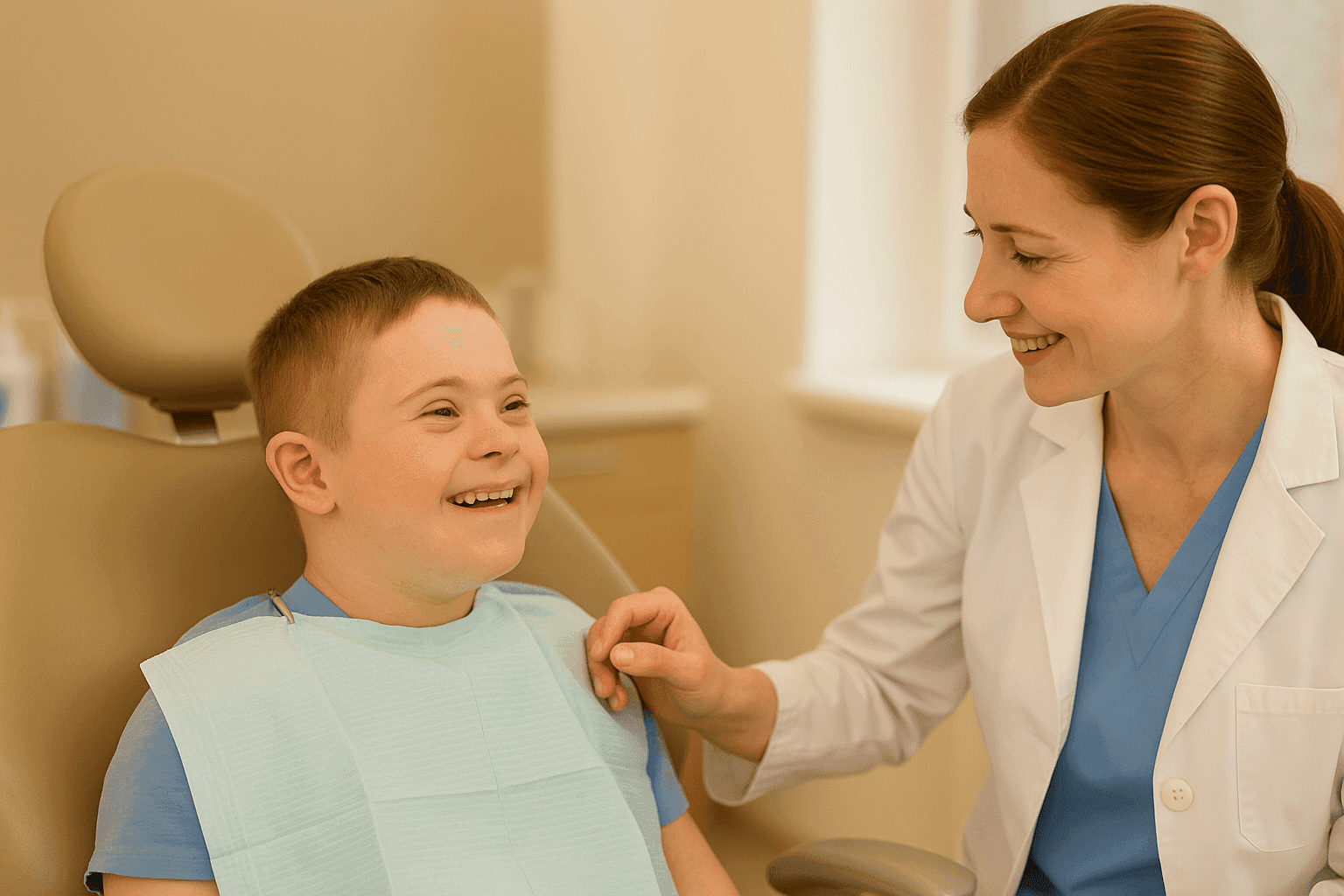


Autism-Friendly Dental Care in Maitland
A Calm, Predictable Visit for Your Child
Before treatment, we learn about your child's sensitivities, routines and communication style. Visits at our Maitland office, just north of Orlando, are scheduled with extra time, often 60 to 90 minutes, so your child can go at their own pace. Families of children with autism come to us from Orlando and across Central Florida, and when a regular dental chair isn't the right fit, all care can be completed under sedation or general anesthesia.
Progress can be gradual, and that's expected. Regular, consistent visits help your child build trust over time.
⭐⭐⭐⭐⭐ 5 MILLION STARS for Dr. Elmore and her amazing team! ⭐⭐⭐⭐⭐ I honestly cannot say enough wonderful things about Dr. Elmore and her entire team. My son is autistic, non-speaking, and requires special care when it comes to medical and dental procedures. He has been under Dr. Elmore’s care multiple times over the past few years, and every single experience has been absolutely amazing. Dr…

M C
Google review · Sep 2026
Dr. Elmore es una dentista exepcinal, especialmente con niños de necesidades especiales. Mi hijo tiene autismo y sindrome de Down, asi que no es facil encontrar a dentistas que trabajen bien con estos niños. La Dr. Elmore tambien tiene un niño con autismo asi que sabe como tratarlos. Si necesitan, puede hacer el trabajo dental bajo anestecia en el hospital. Ella es una doctora que se preocupa…

Zuimdie Guerra
Google review · Sep 2026
Dr A Elmore staff and services were 2nd to none. I recommend her to everyone especially if your child has specific dental needs she and her staff were very accommodating, professional and super nice. We really appreciate you thank you so much for a great visit 😄

James Franceschetti Jr.
Google review · Sep 2026
Amazing experience. Dr. Afsoon made sure we understood the process and answered all our questions over the phone as well as the day of treatment. Everything was smooth and the whole team was super profesional and kid friendly. My son never complained of pain afterwards and can now speak better and not drool as much. Thank you Dr. Afsoon and Team! Before and after pictures below 😍

Stephanie V
Google review · Sep 2026
My goodness dr. Elmore & her staff were a 10/10 truly ! Not a single bad thing to say , my son is on the spectrum & hadn’t been able to go to a dentist , dr. Elmore took such good care of him , he was super comfortable , process went smooth & they walked me through the whole process. Highly recommend !

Anilsa Ortiz
Google review · Apr 2026
My 4 year old girl has been terrified of the dentist. She has not been complaining about pain but for the past 6 months her eating habits were terrible. She finally was able to have X-rays taken, and we were confirmed that she had cavities in her molars. The entire staff at this hospital is amazing and so caring! Dr. Elmore talked me through the entire procedure and answered all my questions…

Marie Deaver
Google review · Apr 2026
We had a great experience with Dr. Elmore and her staff. Dr. Elmore took the time to listen to my concerns and answered all my questions. I felt very comfortable and confident in the care my daughter received. Highly recommended! Also wanted to thank Andrea! Due to a reaction my daughter had after a prior surgery with a different provider, I had a lot of concerns and needed to submit some extra…

Alex Larson
Google review · Feb 2026
Dr. Afsoon Elmore, DDS Is the best oral surgeon for kids that I know of. She is so caring, concerned, and most of all helpful through the surgerical process. She has always made herself available for any concerns I may have had. Thank you Dr. Elmore and your team is the best. I highly recommend Dr. Elmore for your child surgerical needs.⭐️⭐️⭐️⭐️⭐️

Jeannette Killingsworth
Google review · Aug 2025
Dr Elmore is absolutely fantastic. She is so compassionate towards the children. You can tell she truly cares, and loves the children. She is passionate about dental care and she even called after 9pm to check up on my child after the surgery. It’s sad that Florida dental care is so bad and we rank almost last in dental health and also access to dental care for those in poverty. If you don’t have…

Alicia Ruiz-Webb
Google review · Feb 2025
Dr. Elmore is God sent she really did a phenomenal job I feel so grateful for the work she did on my daughter. Between the nurses before and during surgery to post op they were constantly communicating with me informing me step by step procedures and I felt super comfortable. It was my daughter’s first time ever being in surgery and I thought I was going to be scared or crying and it was the…

Vicquel Figuereo
Google review · Dec 2024
I dont have enough characters for all the flowers Dr Elmor deserves. She always goes above and beyond for each child and she remembers each one! It amazes me to see someone so personable to my son. She always showers all her patients not just my son who is autistic with gifts i love that. I tell her everytime i dont knownwhy you wont do other stuff you are beyond amazing. Surgery is always the…

June Byrd
Google review · Jun 2024
This was the best experience we have ever had with an oral surgeon. Doctor Elmore and the nurses were amazing from the time of scheduling the consultation, checking in with us to see my son’s comfort and pain level while waiting for the appointment. The morning of the office was clean, informative, helpful, and so kind. Everyone was very clear on what to expect and made sure my 4 year old was as…

Alex
Google review · Jun 2024
faq
Frequently Asked Questions
What makes a dental visit autism-friendly?
An autism-friendly visit is predictable, unhurried and adapted to your child's senses. It often begins with a familiarization appointment before any treatment, uses visual cues, social stories and tell-show-do to explain each step, and moves at your child's pace. When a regular chair isn't the right fit, care can be completed under sedation or general anesthesia.
Why do children with autism need special dental care?
Children with autism often find the lights, sounds, tastes and touch of a dental visit overwhelming, and they can face a higher risk of cavities because brushing may be hard, diets may be limited and some medications cause dry mouth. Pain may show up as changes in behavior, sleep or eating. Adapted care makes regular checkups and treatment possible.
How long are dental visits for children with autism?
Familiarization visits are brief, often 15 to 30 minutes, so your child can explore without pressure. Treatment appointments are scheduled with extra time, often 60 to 90 minutes, to allow for breaks and your child's pace. Treatment under sedation or general anesthesia takes longer, and we'll give you a time estimate in advance.
How do I prepare my child with autism for the dentist?
Read a social story or look at photos of the office together in the days before, practice opening wide and counting teeth at home, and bring comfort items like headphones, sunglasses or a favorite toy. Tell us about triggers and what calms your child. Progress may be gradual, and consistent, regular visits help build trust over time.
Can my child with autism be treated under sedation?
Yes. When a regular dental chair isn't the right fit, care can be completed under sedation, or under general anesthesia in a hospital operating room, often in one visit. Dr. Elmore plans the level around your child's sensitivities, medical history and medications, and explains the options and fasting instructions before the visit.
What if my child won't let anyone look in their mouth?
That's common, and it's okay. We start with what your child can tolerate, sometimes just sitting in the chair or touching a toothbrush, and build from there over short visits. If your child is in pain or needs treatment that can't wait, the exam, X-rays and treatment can all be done under sedation or general anesthesia.
At what age should a child with autism first see a dentist?
The American Academy of Pediatric Dentistry recommends a first dental visit by age 1, or within six months of the first tooth, and that applies to children with autism too. Starting early gives your child time to get used to the dentist through short, easy visits before any treatment is ever needed.
How can I help my child with autism brush at home?
Keep brushing at the same times each day and use a visual schedule or timer so your child knows when it ends. Try an extra-soft or three-sided brush and a mild or unflavored fluoride toothpaste. Standing behind your child, facing a mirror, often feels less invasive than brushing face to face.
What should we expect after the visit?
Some children with autism feel heightened sensory sensitivity or emotional dysregulation after a dental visit as they decompress. Plan quiet time, familiar surroundings and preferred comfort activities at home. After sedation, an adult should stay close for the rest of the day and follow the aftercare instructions we provide.
Does insurance cover dental care for children with autism?
Coverage depends on your plan. We accept most major dental insurance plans, including Florida Healthy Kids and DentaQuest, and our team verifies your benefits before treatment, including any coverage for sedation or general anesthesia. FSA or HSA funds and the Sunbit payment plan can also help with out-of-pocket costs.
Is there an autism-friendly dentist near Orlando?
Yes. Dr. Afsoon Elmore, DDS, cares for children with autism at our office at 668 N Orlando Ave, Suite 1008, in Maitland, just north of Orlando. Her practice focuses on special needs dentistry for kids, including care under sedation and general anesthesia. Families come to us from Orlando, Winter Park, Altamonte Springs and across Central Florida. Call (407) 629-6464 to schedule.
Ready to Take the Next Step?
Thoughtful Dental Care for Your Child Starts Here
Our team will guide you through every step — from evaluation to treatment — with clarity and care.