Hospital Dentistry
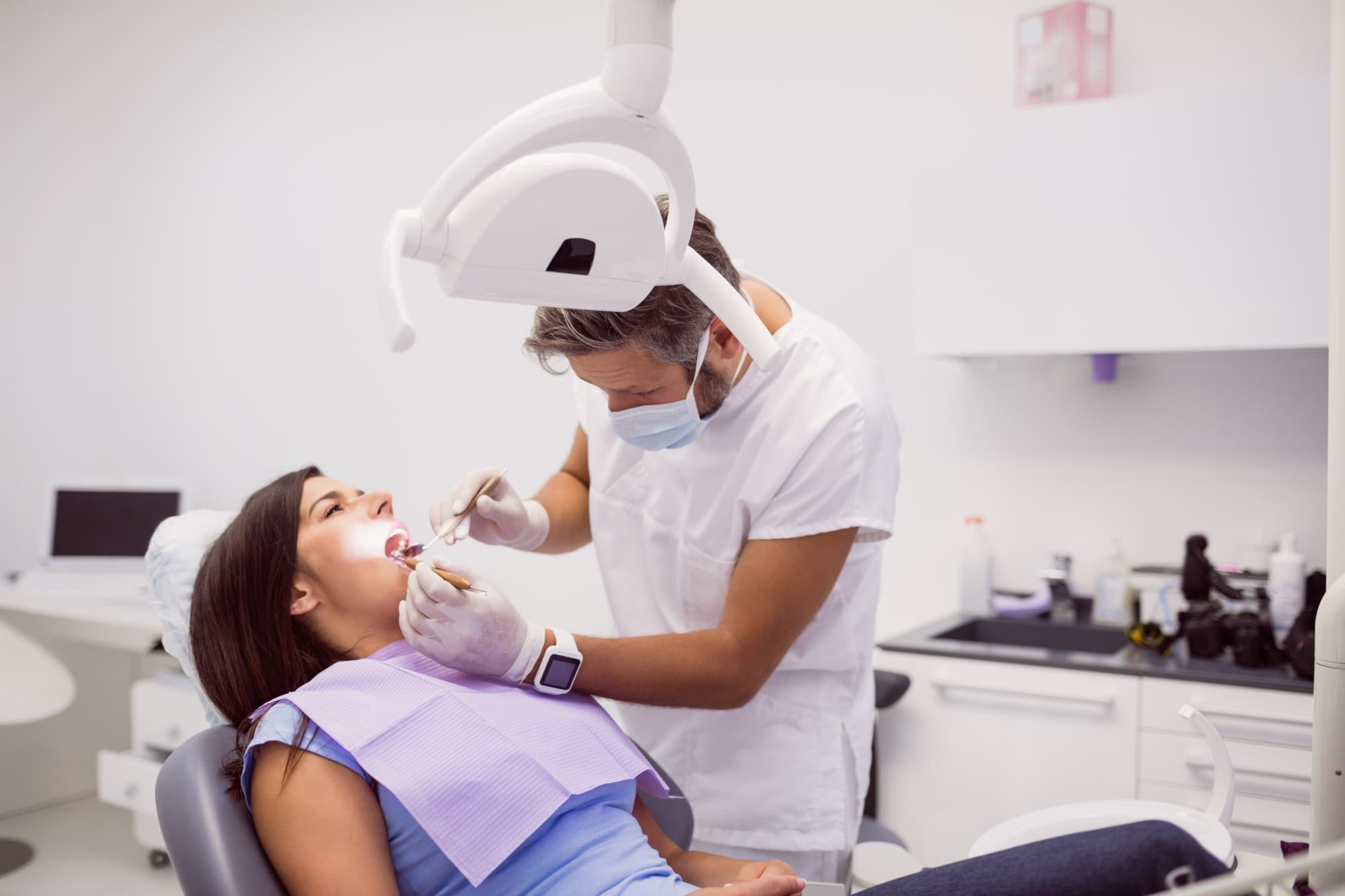
Hospital dentistry lets very young children, kids with special healthcare needs and children who need extensive care have all of their dental treatment done in one visit, fully asleep under general anesthesia given by an anesthesiologist. Every case is planned at our Maitland office, serving families from Orlando and across Central Florida.
Medically reviewed by Dr. Afsoon Elmore · Last reviewed
What is hospital dentistry?
Hospital dentistry is dental treatment done in a hospital operating room while your child is fully asleep under general anesthesia. The American Academy of Pediatric Dentistry (AAPD) recognizes general anesthesia as appropriate for children who can't cooperate because of their age, anxiety or a medical, physical or developmental condition, and for children who need extensive treatment. Dr. Elmore plans each case at our Maitland office, and treatment takes place in a hospital operating room through AdventHealth, so fillings, crowns, nerve treatments, extractions and cleanings can all be finished in a single visit.
How does hospital dentistry work?
An anesthesiologist, a physician trained in anesthesia, puts your child to sleep and stays with them for the whole procedure, watching breathing, heart rate, oxygen level and temperature. Many children fall asleep breathing anesthetic gas through a soft mask, and the IV is placed after they are already asleep. Dr. Elmore then completes the full treatment plan. When the work is done, the anesthesia is stopped and your child wakes up in a monitored recovery area, and you are brought back as soon as the team allows.
What to Expect, Step by Step
- Consultation in Maitland: Dr. Elmore examines your child, reviews their medical history and writes a full treatment plan.
- Clearance and approval: a recent physical from your pediatrician and the insurance authorization many plans require, which our team helps with.
- Fasting and arrival: the anesthesia team tells you exactly when your child must stop eating and drinking (under American Society of Anesthesiologists guidance, usually 2 hours for clear liquids and longer for milk and food).
- Treatment and wake-up: your child sleeps while every planned treatment is done at once, and goes home the same day. Most visits take 2 to 4 hours in total.
How does hospital dentistry help?
Instead of several stressful visits in the dental chair, your child has everything treated at once and has no memory of the procedure. The hospital adds a full medical team, which matters for children with heart, breathing, seizure or other medical conditions. Finishing care in one visit also means less time off school and work, and it stops pain and infection before they get worse.
Hospital dentistry vs. in-office sedation
With lighter sedation, such as nitrous oxide or oral sedation, a child is relaxed but still breathing on their own and able to respond. Under general anesthesia your child is completely asleep and doesn't respond, so an anesthesiologist manages their breathing in an operating room. We recommend the hospital when lighter sedation isn't likely to be safe or enough: when treatment is extensive, the child is very young, or a medical condition calls for closer monitoring.
Who It's For
Who Needs Hospital Dentistry Near Orlando?
Very Young Children
Toddlers and preschoolers with early childhood cavities often can't sit through long treatment awake. Under general anesthesia, all of it can be done in one visit while they sleep, instead of over several visits in the dental chair.
Kids With Special Needs
Children with autism, cerebral palsy, Down syndrome or other developmental or medical conditions get care planned around their sensitivities and medical history. The AAPD lists these needs among the main reasons to use general anesthesia for dental care.
Severe Dental Anxiety
Some children can't get through a regular visit, even with nitrous oxide or oral sedation. Fully asleep, they get all the care they need without fear, and without building a lasting dread of the dentist.
Extensive Treatment
When many fillings, crowns, nerve treatments or extractions are needed, doing them one by one can mean months of visits. A hospital operating room lets it all be done at once, with closer monitoring for children with medical conditions.


Hospital Dentistry in Central Florida
From Our Maitland Office to the Hospital
Every case starts at our office on North Orlando Avenue in Maitland, just north of Orlando, where we review your child's medical history and plan the treatment. On treatment day, an anesthesiologist gives the general anesthesia in a hospital operating room through AdventHealth, all needed dental work is done in one visit, and your child wakes up in a recovery area. Most visits take 2 to 4 hours. Families come to us from Orlando, Winter Park, Altamonte Springs and across Central Florida for this kind of care.
Plan a quiet day at home: clear liquids first, then soft foods, with an adult close by for the first 24 hours.
Quiero expresar mi agradecimiento y recomendar ampliamente a la Dra Afsoon Elmore y su equipo por su excelente atención, paciencia y profesionalismo. Llevar a un niño con autismo al odontólogo puede ser todo un desafío, especialmente cuando sienten nervios, ansiedad y les cuesta cooperar durante los procedimientos. Sin embargo, la Dra y su equipo demostró una sensibilidad, dedicación y…

Francis Mendoza
Google review · Nov 2026
⭐⭐⭐⭐⭐ 5 MILLION STARS for Dr. Elmore and her amazing team! ⭐⭐⭐⭐⭐ I honestly cannot say enough wonderful things about Dr. Elmore and her entire team. My son is autistic, non-speaking, and requires special care when it comes to medical and dental procedures. He has been under Dr. Elmore’s care multiple times over the past few years, and every single experience has been absolutely amazing. Dr…

M C
Google review · Sep 2026
Dr. Elmore es una dentista exepcinal, especialmente con niños de necesidades especiales. Mi hijo tiene autismo y sindrome de Down, asi que no es facil encontrar a dentistas que trabajen bien con estos niños. La Dr. Elmore tambien tiene un niño con autismo asi que sabe como tratarlos. Si necesitan, puede hacer el trabajo dental bajo anestecia en el hospital. Ella es una doctora que se preocupa…

Zuimdie Guerra
Google review · Sep 2026
Dr A Elmore staff and services were 2nd to none. I recommend her to everyone especially if your child has specific dental needs she and her staff were very accommodating, professional and super nice. We really appreciate you thank you so much for a great visit 😄

James Franceschetti Jr.
Google review · Sep 2026
Amazing experience. Dr. Afsoon made sure we understood the process and answered all our questions over the phone as well as the day of treatment. Everything was smooth and the whole team was super profesional and kid friendly. My son never complained of pain afterwards and can now speak better and not drool as much. Thank you Dr. Afsoon and Team! Before and after pictures below 😍

Stephanie V
Google review · Sep 2026
My goodness dr. Elmore & her staff were a 10/10 truly ! Not a single bad thing to say , my son is on the spectrum & hadn’t been able to go to a dentist , dr. Elmore took such good care of him , he was super comfortable , process went smooth & they walked me through the whole process. Highly recommend !

Anilsa Ortiz
Google review · Apr 2026
My 4 year old girl has been terrified of the dentist. She has not been complaining about pain but for the past 6 months her eating habits were terrible. She finally was able to have X-rays taken, and we were confirmed that she had cavities in her molars. The entire staff at this hospital is amazing and so caring! Dr. Elmore talked me through the entire procedure and answered all my questions…

Marie Deaver
Google review · Apr 2026
We had a great experience with Dr. Elmore and her staff. Dr. Elmore took the time to listen to my concerns and answered all my questions. I felt very comfortable and confident in the care my daughter received. Highly recommended! Also wanted to thank Andrea! Due to a reaction my daughter had after a prior surgery with a different provider, I had a lot of concerns and needed to submit some extra…

Alex Larson
Google review · Feb 2026
Dr. Afsoon Elmore, DDS Is the best oral surgeon for kids that I know of. She is so caring, concerned, and most of all helpful through the surgerical process. She has always made herself available for any concerns I may have had. Thank you Dr. Elmore and your team is the best. I highly recommend Dr. Elmore for your child surgerical needs.⭐️⭐️⭐️⭐️⭐️

Jeannette Killingsworth
Google review · Aug 2025
Dr. Elmore is God sent she really did a phenomenal job I feel so grateful for the work she did on my daughter. Between the nurses before and during surgery to post op they were constantly communicating with me informing me step by step procedures and I felt super comfortable. It was my daughter’s first time ever being in surgery and I thought I was going to be scared or crying and it was the…

Vicquel Figuereo
Google review · Dec 2024
I dont have enough characters for all the flowers Dr Elmor deserves. She always goes above and beyond for each child and she remembers each one! It amazes me to see someone so personable to my son. She always showers all her patients not just my son who is autistic with gifts i love that. I tell her everytime i dont knownwhy you wont do other stuff you are beyond amazing. Surgery is always the…

June Byrd
Google review · Jun 2024
This was the best experience we have ever had with an oral surgeon. Doctor Elmore and the nurses were amazing from the time of scheduling the consultation, checking in with us to see my son’s comfort and pain level while waiting for the appointment. The morning of the office was clean, informative, helpful, and so kind. Everyone was very clear on what to expect and made sure my 4 year old was as…

Alex
Google review · Jun 2024
faq
Frequently Asked Questions
What is hospital dentistry for children?
Hospital dentistry is dental treatment done in a hospital operating room while a child is fully asleep under general anesthesia, given by an anesthesiologist. It lets a child who is very young, very anxious, has special healthcare needs or needs extensive work have every filling, crown, nerve treatment and extraction completed in one visit, with a medical team monitoring them throughout.
Where can my child get dental treatment under general anesthesia near Orlando?
Dr. Afsoon Elmore, DDS, plans every case at our office at 668 N Orlando Ave, Suite 1008, in Maitland, just north of Orlando, and treatment takes place in a hospital operating room through AdventHealth. Families come to us from Orlando, Winter Park, Altamonte Springs and across Central Florida. No referral is required. Call (407) 629-6464 to start.
Is general anesthesia safe for my child's dental treatment?
For healthy children, general anesthesia given by an anesthesiologist in a hospital is considered very safe. Your child's breathing, heart rate and oxygen are watched continuously, and the plan is reviewed beforehand. The FDA has noted that repeated or lengthy anesthesia (over 3 hours) in children under 3 deserves extra thought, which is one reason we plan to finish everything in one efficient visit. We explain the risks and benefits and answer your questions first.
Why would my child need treatment in a hospital instead of the office?
A hospital is recommended when a child needs extensive treatment, is very young, has special healthcare needs or a medical condition, or can't get through treatment awake, even with sedation. The operating room allows all care to be done in one visit with full medical support, including an anesthesiologist who manages your child's breathing the whole time.
Who gives the anesthesia during hospital dentistry?
An anesthesiologist, a medical doctor who specializes in anesthesia, gives the general anesthesia and monitors your child from the moment they fall asleep until they are awake in recovery. Dr. Elmore focuses entirely on the dental treatment. You'll meet the anesthesia team on treatment day and can ask them any questions about your child's health before they go to sleep.
How long does hospital dentistry take?
Most hospital dentistry visits take 2 to 4 hours in total, including check-in, preparation, the treatment under general anesthesia and recovery. The dental work itself is usually a smaller part of that time, and its length depends on how much treatment your child needs. Your child goes home the same day once the medical team says they're ready.
Can my child eat or drink before general anesthesia?
No. Children must stop eating and drinking for a set time before anesthesia so their stomach is empty. American Society of Anesthesiologists guidance is typically 2 hours for clear liquids, 4 hours for breast milk and 6 hours for formula or a light meal, but always follow the exact instructions you receive. If they're not followed, treatment may need to be rescheduled.
Can I stay with my child during hospital dentistry?
Hospital policies vary, but parents usually stay with their child through check-in and the talk with the anesthesia team, then wait nearby while the treatment is done. You're brought to your child in recovery as soon as the team allows. Bringing a favorite blanket, stuffed animal or tablet can make the wait before treatment easier for your child.
What can my child eat after treatment?
Start with clear liquids once your child is fully awake and able to swallow. If they go down well, move to soft foods like chicken noodle soup, applesauce and Jell-O, and return to a normal diet the next day. Avoid sticky or hard foods such as gum, caramels, taffy, hard candy, ice and nuts, which can loosen crowns and space maintainers.
Does insurance cover hospital dentistry?
Coverage depends on your plan. We accept most major dental insurance plans, including Florida Healthy Kids and DentaQuest, and our team verifies your benefits before treatment. Hospital and anesthesia fees are often billed separately and may fall under medical insurance, and many plans need prior authorization. FSA or HSA funds and the Sunbit payment plan can also help.
What happens after hospital dentistry?
Plan a quiet day at home with an adult close by for the first 24 hours. Your child can usually return to normal activities the next day. Call (407) 629-6464 for worsening pain, bleeding, fever or swelling. Afterward, keep up regular cleanings with your child's dentist so new cavities don't undo the work.
Ready to Take the Next Step?
Thoughtful Dental Care for Your Child Starts Here
Our team will guide you through every step — from evaluation to treatment — with clarity and care.