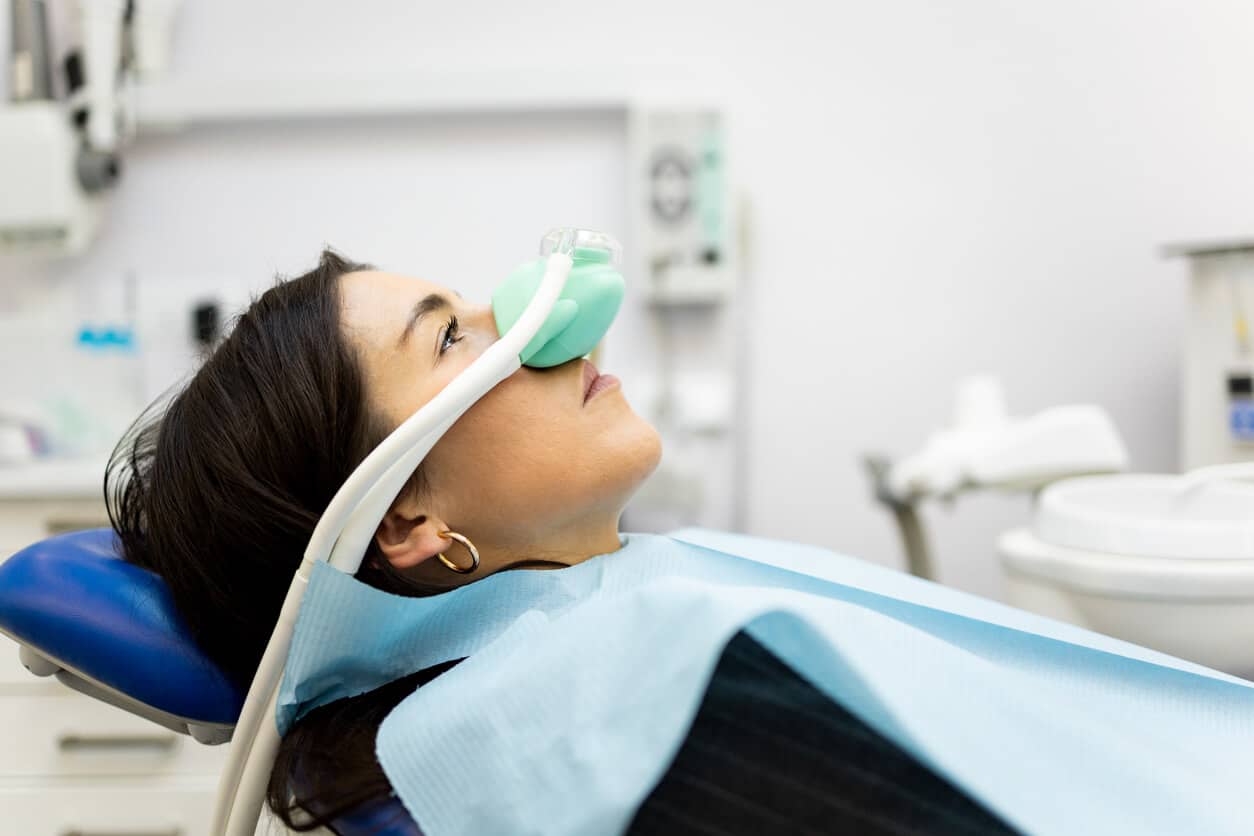
Sedation Dentistry
Sedation dentistry helps anxious children, kids who can't sit still and children who need a lot of treatment get calm, comfortable dental care, often in one visit. Dr. Elmore offers pediatric sedation dentistry at our Maitland office, serving families from Orlando and across Central Florida.
Medically reviewed by Dr. Afsoon Elmore · Last reviewed
What is sedation dentistry?
Sedation dentistry uses carefully chosen and monitored medication to help children feel calm during dental care. Sedation is a range: the American Academy of Pediatrics and the American Academy of Pediatric Dentistry (AAPD) describe minimal, moderate and deep sedation, with general anesthesia as the deepest level. Choosing the lightest level that will work safely is the starting point for every plan, so treatment can be done comfortably and your child is less likely to fear the dentist later.
How does sedation dentistry work?
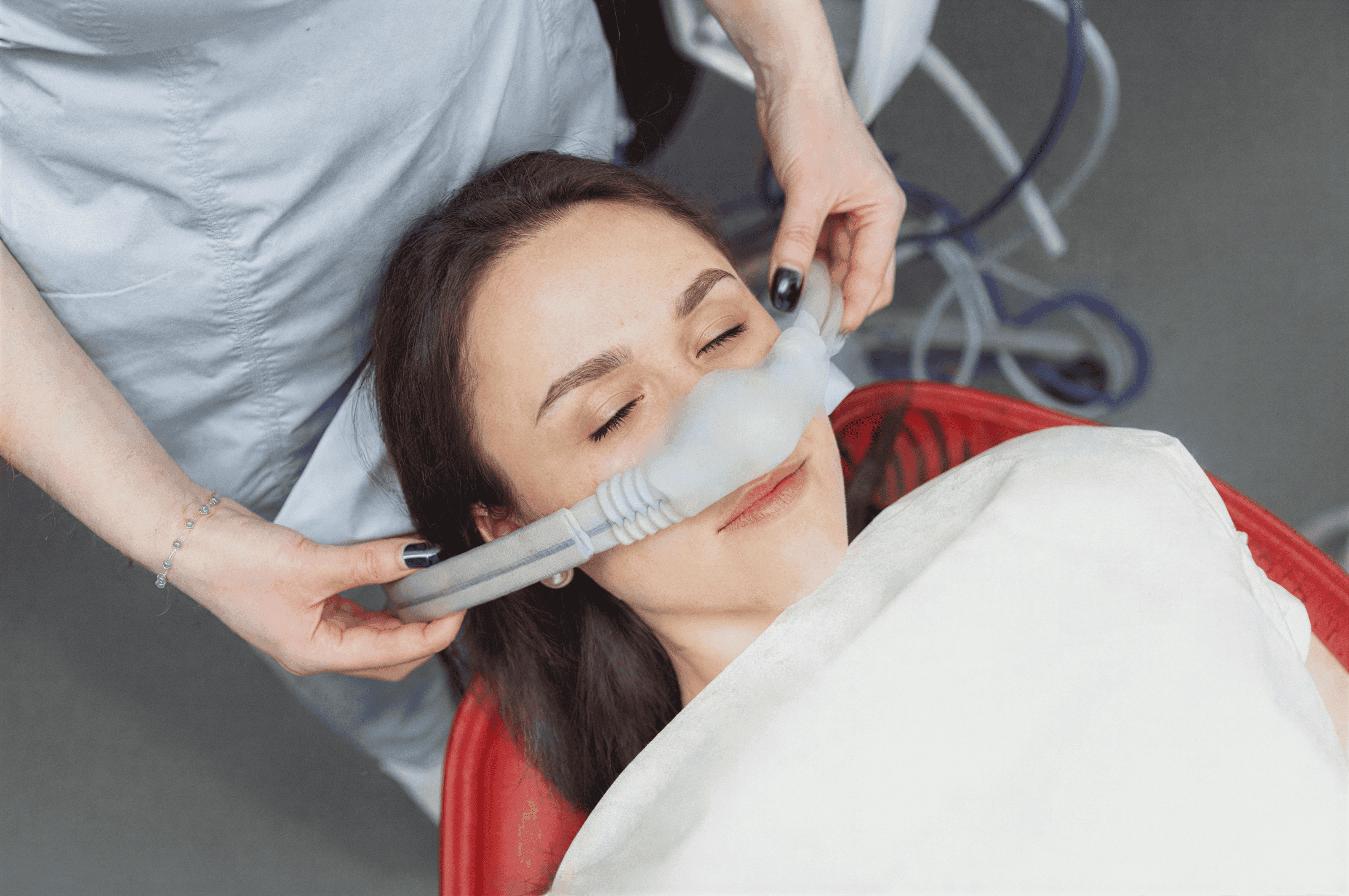
Nitrous oxide (laughing gas) is breathed through a small nose mask and wears off within minutes after the mask comes off. Oral sedation is a liquid medicine taken by mouth shortly before treatment. IV sedation goes into a vein for a deeper effect that can be adjusted, and general anesthesia, given by an anesthesiologist in a hospital operating room, puts a child fully to sleep. At every level your child is carefully monitored while the dental team works.
What to Expect, Step by Step
- Exam & Sedation Plan: Dr. Elmore examines your child and reviews their medical history, medications and allergies, then recommends the lightest level of sedation that will work safely for the treatment needed.
- Before the Visit: Follow the fasting instructions you receive, give only the medications we approve, and dress your child comfortably. Plan for an adult to stay home with them for the rest of the day.
- Treatment Day: The sedative is given and your child drifts into a relaxed state. Once they're comfortable, the teeth are numbed and treatment is completed while breathing and oxygen are monitored.
- Wake-Up & Going Home: Your child rests until alert enough to leave. Start with clear liquids, then soft foods, and keep them resting under supervision. Most kids are back to normal the next day.
How does sedation dentistry help?
Sedation makes dental visits calmer and more manageable for children who feel anxious or fearful. Necessary treatment can be completed thoroughly, often in one visit instead of several. Children also avoid the kind of stressful experience that turns into a lifelong fear of the dentist, which makes future checkups easier.
Choosing the right level
The right level depends on your child's age, medical history, how anxious they are and how much treatment is needed. A short visit with mild nerves may only need nitrous oxide, while a toddler with many cavities may do best under general anesthesia. Dr. Elmore reviews your child's history first and explains why she recommends one level over another.
Types of Sedation Dentistry for Kids
Nitrous Oxide: Laughing gas through a small nose mask eases nerves while your child stays awake and responsive. The AAPD calls it a safe and effective way to control anxiety, and it wears off within minutes. Oral Conscious Sedation: A liquid medicine taken by mouth makes your child drowsy and relaxed but still able to respond. It takes time to work, can't be adjusted once given, and requires fasting beforehand. IV Sedation: Medicine through a small IV brings deeper, adjustable sedation for kids with significant anxiety or extensive needs. Breathing and oxygen are monitored throughout, and most children don't remember the visit. General Anesthesia: Your child is fully asleep while an anesthesiologist manages their breathing in a hospital operating room. It's used for very young children, special healthcare needs or extensive treatment.
Who It's For
Who Needs Sedation Dentistry?
Dental Anxiety
Anxious or fearful children relax, so treatment can be done calmly. A stressful visit tends to make the next one harder, and sedation helps break that cycle.
Trouble Sitting Still
Young children, and kids with ADHD, autism or a strong gag reflex, often can't hold still for long. With sedation, treatment can be done safely and efficiently anyway.
Longer Procedures
When several fillings, crowns or extractions are needed, sitting through them awake is hard for any child. Sedation makes it possible to finish them in one comfortable visit.
A Past Bad Experience
Children who had a painful or frightening dental visit before often dread the next one. Sedation gives them a calmer, more positive experience and helps rebuild trust over time.
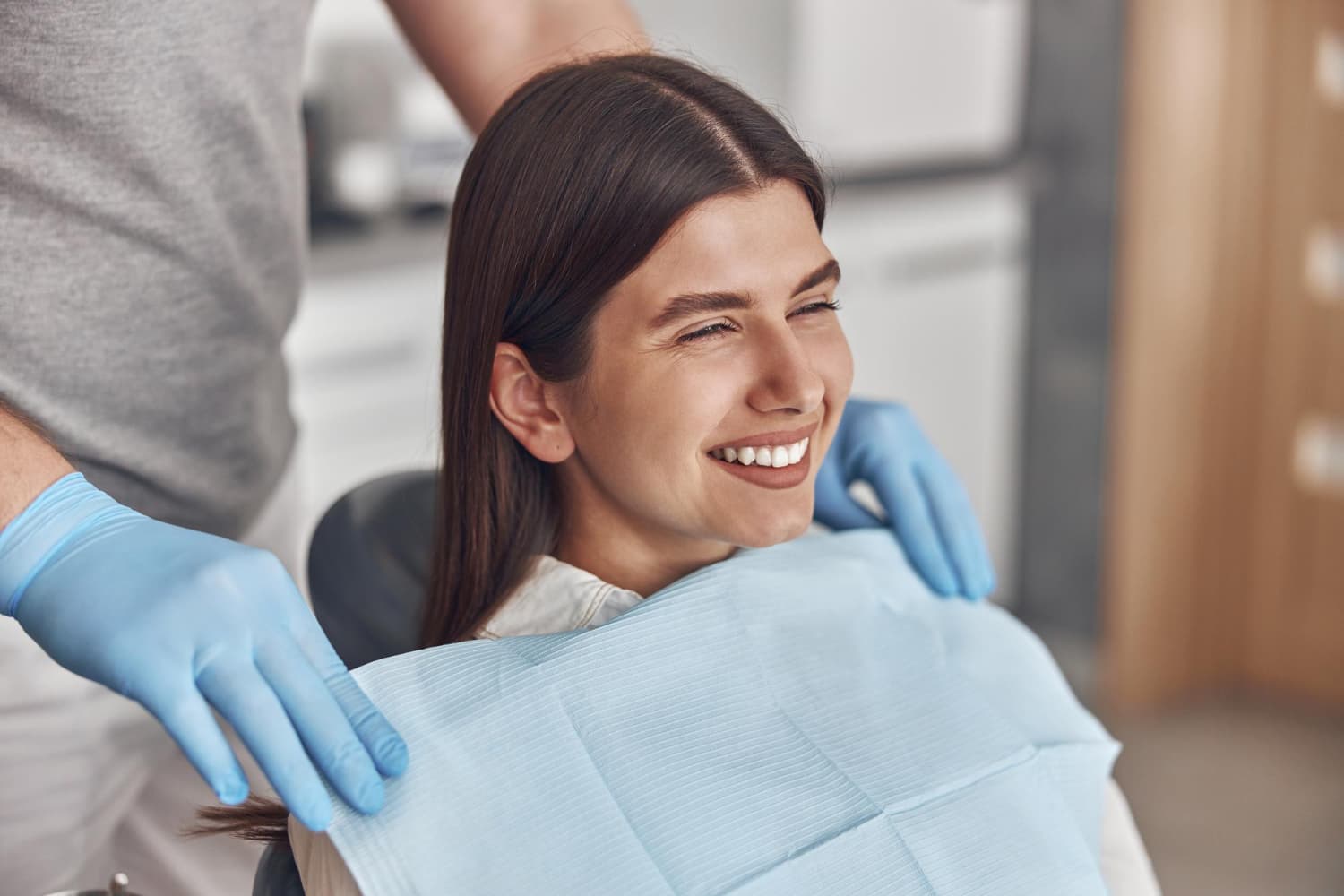


Pediatric Sedation Dentistry Near Orlando
How Sedation Dentistry Works for Kids
Depending on your child's needs, the sedative can be inhaled, taken by mouth or given through an IV. Your child drifts into a relaxed state and is carefully monitored while the dental team works, and most children have little to no memory of the visit. Appointments usually take 1 to 2 hours. Families from Orlando, Winter Park and across Central Florida come to our Maitland office for pediatric sedation dentistry.
Follow the fasting instructions before the visit, and plan for an adult to stay with your child for the rest of the day.
Quiero expresar mi agradecimiento y recomendar ampliamente a la Dra Afsoon Elmore y su equipo por su excelente atención, paciencia y profesionalismo. Llevar a un niño con autismo al odontólogo puede ser todo un desafío, especialmente cuando sienten nervios, ansiedad y les cuesta cooperar durante los procedimientos. Sin embargo, la Dra y su equipo demostró una sensibilidad, dedicación y…

Francis Mendoza
Google review · Nov 2026
⭐⭐⭐⭐⭐ 5 MILLION STARS for Dr. Elmore and her amazing team! ⭐⭐⭐⭐⭐ I honestly cannot say enough wonderful things about Dr. Elmore and her entire team. My son is autistic, non-speaking, and requires special care when it comes to medical and dental procedures. He has been under Dr. Elmore’s care multiple times over the past few years, and every single experience has been absolutely amazing. Dr…

M C
Google review · Sep 2026
Dr. Elmore es una dentista exepcinal, especialmente con niños de necesidades especiales. Mi hijo tiene autismo y sindrome de Down, asi que no es facil encontrar a dentistas que trabajen bien con estos niños. La Dr. Elmore tambien tiene un niño con autismo asi que sabe como tratarlos. Si necesitan, puede hacer el trabajo dental bajo anestecia en el hospital. Ella es una doctora que se preocupa…

Zuimdie Guerra
Google review · Sep 2026
Dr A Elmore staff and services were 2nd to none. I recommend her to everyone especially if your child has specific dental needs she and her staff were very accommodating, professional and super nice. We really appreciate you thank you so much for a great visit 😄

James Franceschetti Jr.
Google review · Sep 2026
Amazing experience. Dr. Afsoon made sure we understood the process and answered all our questions over the phone as well as the day of treatment. Everything was smooth and the whole team was super profesional and kid friendly. My son never complained of pain afterwards and can now speak better and not drool as much. Thank you Dr. Afsoon and Team! Before and after pictures below 😍

Stephanie V
Google review · Sep 2026
My goodness dr. Elmore & her staff were a 10/10 truly ! Not a single bad thing to say , my son is on the spectrum & hadn’t been able to go to a dentist , dr. Elmore took such good care of him , he was super comfortable , process went smooth & they walked me through the whole process. Highly recommend !

Anilsa Ortiz
Google review · Apr 2026
My 4 year old girl has been terrified of the dentist. She has not been complaining about pain but for the past 6 months her eating habits were terrible. She finally was able to have X-rays taken, and we were confirmed that she had cavities in her molars. The entire staff at this hospital is amazing and so caring! Dr. Elmore talked me through the entire procedure and answered all my questions…

Marie Deaver
Google review · Apr 2026
We had a great experience with Dr. Elmore and her staff. Dr. Elmore took the time to listen to my concerns and answered all my questions. I felt very comfortable and confident in the care my daughter received. Highly recommended! Also wanted to thank Andrea! Due to a reaction my daughter had after a prior surgery with a different provider, I had a lot of concerns and needed to submit some extra…

Alex Larson
Google review · Feb 2026
Dr. Afsoon Elmore, DDS Is the best oral surgeon for kids that I know of. She is so caring, concerned, and most of all helpful through the surgerical process. She has always made herself available for any concerns I may have had. Thank you Dr. Elmore and your team is the best. I highly recommend Dr. Elmore for your child surgerical needs.⭐️⭐️⭐️⭐️⭐️

Jeannette Killingsworth
Google review · Aug 2025
Dr. Elmore is God sent she really did a phenomenal job I feel so grateful for the work she did on my daughter. Between the nurses before and during surgery to post op they were constantly communicating with me informing me step by step procedures and I felt super comfortable. It was my daughter’s first time ever being in surgery and I thought I was going to be scared or crying and it was the…

Vicquel Figuereo
Google review · Dec 2024
I dont have enough characters for all the flowers Dr Elmor deserves. She always goes above and beyond for each child and she remembers each one! It amazes me to see someone so personable to my son. She always showers all her patients not just my son who is autistic with gifts i love that. I tell her everytime i dont knownwhy you wont do other stuff you are beyond amazing. Surgery is always the…

June Byrd
Google review · Jun 2024
This was the best experience we have ever had with an oral surgeon. Doctor Elmore and the nurses were amazing from the time of scheduling the consultation, checking in with us to see my son’s comfort and pain level while waiting for the appointment. The morning of the office was clean, informative, helpful, and so kind. Everyone was very clear on what to expect and made sure my 4 year old was as…

Alex
Google review · Jun 2024
faq
Frequently Asked Questions
Is my child a good candidate for sedation dentistry?
Sedation dentistry is a good fit for children who have dental anxiety, have trouble sitting still, need lengthy or extensive treatment, or had a negative dental experience that makes cooperating hard. Children with autism or other special healthcare needs often benefit too. Dr. Elmore reviews your child's age, health and treatment plan before recommending a level of sedation.
What types of sedation are used for kids?
The four main options are nitrous oxide (laughing gas), oral conscious sedation taken by mouth, IV sedation through a small vein line, and general anesthesia, where an anesthesiologist puts the child fully to sleep in a hospital operating room. Each plan is reviewed before the visit so the right level is chosen for your child's needs and medical history.
Is sedation dentistry safe for children?
Yes, when it follows the American Academy of Pediatrics and AAPD guideline for sedating children: a health review beforehand, proper fasting, the right dose for your child's weight, continuous monitoring of breathing and oxygen, and recovery until your child is back to normal. In Florida, dentists must hold a Board of Dentistry permit to provide moderate sedation or deeper.
Is laughing gas safe for kids?
Yes. The American Academy of Pediatric Dentistry describes nitrous oxide as a safe and effective way to reduce anxiety in children when used properly. It's mixed with oxygen, your child stays awake and can talk, and it wears off within minutes once the mask is removed. It isn't right for every child, such as those with severe congestion, which is why we review health history first.
Will my child remember the dental visit?
It depends on the level. With nitrous oxide, children usually remember the visit but feel relaxed about it. With oral sedation, IV sedation or general anesthesia, most children have little to no memory of the procedure. Either way, the goal is a calm experience that doesn't leave your child afraid of the next visit.
Will my child still get a numbing shot with sedation?
Usually, yes. Sedation calms your child, but a local anesthetic is what numbs the tooth being treated, so it's typically given once your child is relaxed, when most children don't notice it. The numbness lasts a few hours after the visit, so watch that your child doesn't bite or chew their lip, cheek or tongue.
How long does a sedation appointment take?
Most sedation appointments take 1 to 2 hours, including time for the sedative to take effect, the treatment and the start of recovery before going home. IV sedation visits run 1.5 to 3 hours, and hospital visits under general anesthesia usually 2 to 4 hours. We'll give you a time estimate for your child's plan in advance.
Can my child eat before sedation?
It depends on the type of sedation. For oral sedation, IV sedation and general anesthesia, your child must stop eating and drinking for a set time, typically 2 hours for clear liquids and 6 hours for formula or food under American Society of Anesthesiologists guidance. For nitrous oxide alone, the rules are lighter. Always follow the exact instructions you receive.
What should we do before and after sedation?
Before: follow all fasting instructions, tell us about any illness or new medication, and arrange for a responsible adult to bring your child home. After: keep your child resting under close supervision for the rest of the day, start with clear liquids and then soft foods, and skip school and physical activity until the next day.
What age can children have sedation dentistry?
There's no single minimum age. Nitrous oxide is often used for preschoolers and older children who can breathe through their nose, while toddlers and very young children who need extensive work are usually safer under general anesthesia with an anesthesiologist. Dr. Elmore recommends a level based on your child's age, weight, health and treatment needs.
Does insurance cover sedation dentistry for kids?
Coverage depends on your plan and the level of sedation. Many plans cover sedation or general anesthesia when it's needed to treat a child safely, while nitrous oxide is sometimes not covered. We accept most major dental insurance plans, including Florida Healthy Kids and DentaQuest, and verify your benefits before treatment. FSA or HSA funds and Sunbit financing can also help.
Where can my child get sedation dentistry near Orlando?
Dr. Afsoon Elmore, DDS, provides pediatric sedation dentistry at our office at 668 N Orlando Ave, Suite 1008, in Maitland, just north of Orlando. Families come to us from Orlando, Winter Park, Altamonte Springs and across Central Florida, and no referral is required. Call (407) 629-6464 to schedule a visit and talk through the sedation options for your child.
treatments
Related Treatments
Ready to Take the Next Step?
Thoughtful Dental Care for Your Child Starts Here
Our team will guide you through every step — from evaluation to treatment — with clarity and care.