October 8, 2026
How to Prepare Your Child With Autism for a Dental Visit: A Step-by-Step Guide
For many children with autism, a dental visit packs nearly everything hard into one hour: a new place, bright lights, strange smells and tastes, buzzing sounds, someone's hands near the face, and a request to lie back and stay still. According to the Centers for Disease Control and Prevention (CDC), about 1 in 31 children in the U.S. is identified with autism spectrum disorder, so if you're dreading the next appointment, you're far from alone. The good news is that preparation works. This step-by-step guide covers how to get your child ready, what to tell the dental office, how to make brushing easier at home, and when sedation or general anesthesia is the kinder choice.
Why can dental visits be so hard for children with autism?
A dental visit stacks many sensory triggers at once: an overhead light, the taste of toothpaste and gloves, high-pitched instruments, a reclining chair and someone touching the face. Add new people and an unfamiliar routine, and it's easy to see why. What looks like "bad behavior" is usually sensory overload or not knowing what comes next.
At the same time, healthy teeth matter a great deal for these kids. Many children with autism have a narrow list of preferred foods, often soft, sweet or starchy ones, and some hold food in their cheeks or snack throughout the day. Some take medicines that dry the mouth or come in sweetened liquids. And daily brushing can be a battle. All of this can raise the risk of cavities, which is why the American Academy of Pediatric Dentistry (AAPD) recommends that children with special healthcare needs have a regular dental home early, with prevention tailored to the child.
How far ahead should I start preparing?
Start one to two weeks before the visit, and longer for a first visit or after a visit that went badly. That gives you time to read a social story every day, practice at home in short, playful sessions and talk with the office about your child's needs. Children who need more time can begin with a short familiarization visit.
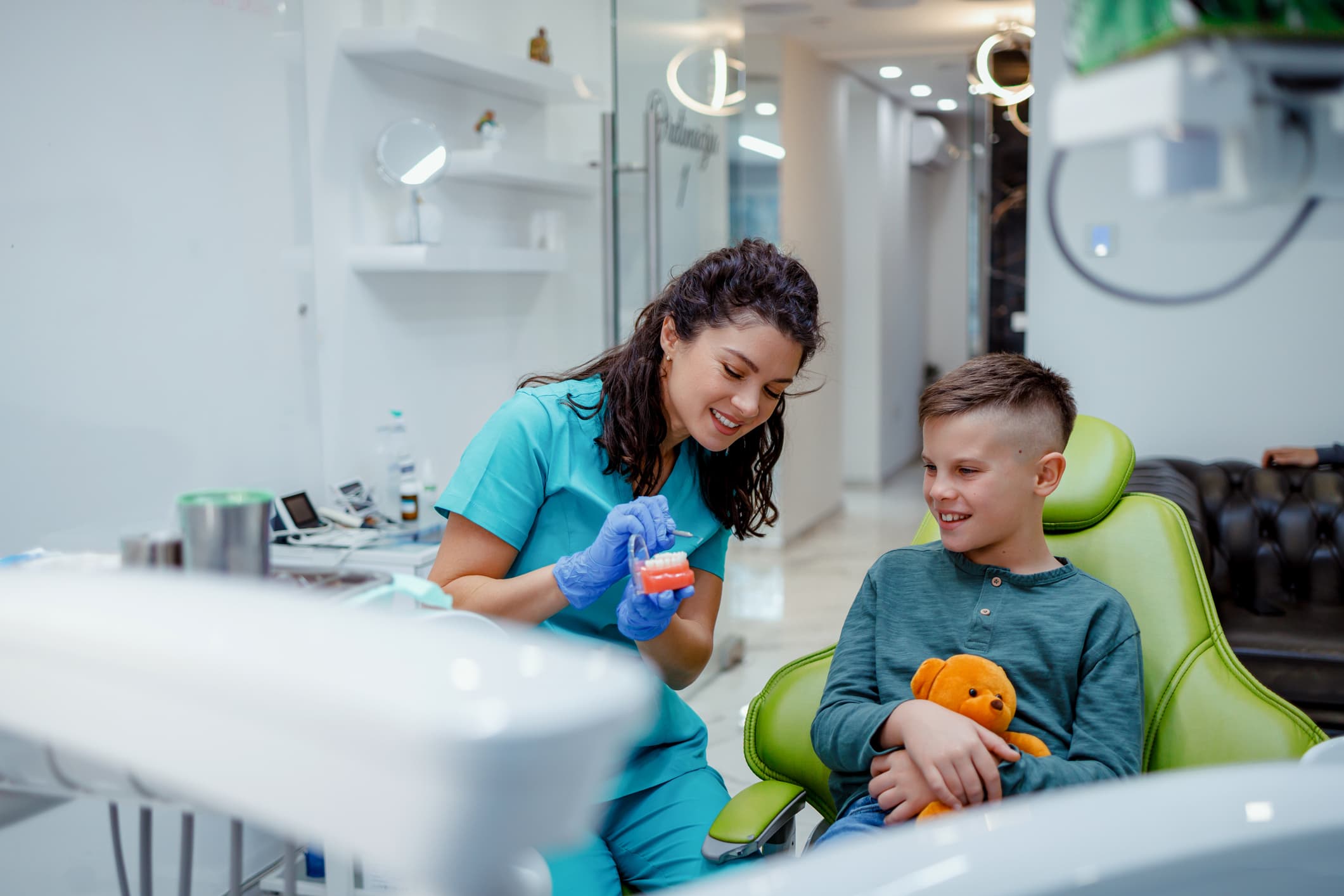
A familiarization visit is exactly what it sounds like: a short trip, often 15 to 30 minutes, where your child sees the office, meets the team and maybe sits in the chair, with no treatment at all. For some children, one or two of these visits make the first real checkup feel familiar instead of frightening. Our approach to dental care for children with autism is built around this kind of gradual introduction.
What are the steps to prepare my child for the dentist?
Prepare in small, predictable steps: write a social story, make a visual schedule, play dentist at home, build tolerance to touch gradually, pack a sensory kit, brief the office, pick the right time and plan what happens after. Each step lowers uncertainty, which is often the biggest source of distress for kids with autism.
- Write a social story. Keep it short, in the first person and in the present tense: "I go to the dentist. I sit in a big chair. The chair moves back. The dentist counts my teeth. Then I get to go home." Use real photos of the office if you can, and read it once a day in the week before the visit.
- Make a visual schedule for the visit itself. Car, waiting room, chair, count teeth, brush teeth, all done, reward. Let your child move or check off each picture as it happens, so they can see the end coming.
- Play dentist at home. Take turns being the dentist. Count teeth with a finger or a toothbrush, look in with a small mirror, lie back on the couch and shine a flashlight. Stuffed animals make patient patients.
- Build tolerance to touch, one small step at a time. Start where your child is comfortable, maybe a touch on the cheek, then the lips, then the teeth. Practice opening wide for a count of 5, then 10. Use the same words the dental team will use, like "open," "count" and "rinse."
- Pack a sensory kit. Noise-canceling headphones or ear defenders, sunglasses for the overhead light, a weighted lap pad or favorite blanket, a fidget, a tablet with a favorite show and any comfort object.
- Tell the office what they need to know. The next section has a checklist.
- Pick the right time. Book when your child is usually at their best, often early in the day, and avoid the hour after a long school day. Ask whether you can wait in the car until the room is ready, if the waiting room is hard.
- Plan the "after." Name a reward your child actually wants and deliver it right away. Then plan a quiet afternoon; some children need time to decompress after a visit, even one that went well.
Don't measure success by whether everything got done in one visit. If the goal of a first visit becomes "sit in the chair and let the dentist count teeth," and your child does that, that's progress you can build on.
What should I tell the dental office before the visit?
Share how your child communicates, what upsets them, what calms them and what motivates them, along with their full medical history and medications. The more the team knows in advance, the more it can adjust lights, sounds, words, pacing and timing, rather than discovering triggers halfway through the appointment.
A quick checklist to share by phone or in your intake forms:
- Communication: words, signs, picture cards or an AAC device, and how your child shows pain or "stop"
- Triggers: bright lights, certain sounds, smells or flavors, being touched without warning, waiting
- What calms them: deep pressure, music, counting, a favorite show, a particular phrase
- Words to use or avoid: some children react strongly to words like "shot" or "hurt"
- Motivators: a favorite character, stickers, a few minutes on a tablet
- Health details: medications, allergies (including latex), seizures, feeding issues and any past sedation or anesthesia
- History: what went well and what didn't at past dental or medical visits
If your family speaks Persian (Farsi), it may help to know that Dr. Elmore speaks both English and Persian, so you can talk through your child's needs in the language you're most comfortable with.
How can I make brushing easier at home?
Keep brushing short, predictable and done the same way every time. The American Dental Association (ADA) recommends brushing twice a day with fluoride toothpaste: a rice-grain smear under age 3 and a pea-size amount from 3 to 6. Try different brushes and milder flavors, use a visual timer, and brush from behind for better control.
A few things that help many families:
- Position: sit on the floor with your child's head resting in your lap, or stand behind them in front of a mirror, so you can see and steady their head.
- Flavor and texture: strong mint can be overwhelming. Mild or unflavored fluoride toothpastes exist, and an extra-soft or three-sided brush can feel better than a standard one.
- Predictable order: brush the same sections in the same order every time, and count out loud so your child knows when each part ends.
- Timer or song: a sand timer or a two-minute song makes the end visible.
- Snacks: limit sticky, sweet snacks and all-day grazing, and offer water between meals.
- Medicines: ask your pharmacist whether sugar-free versions of liquid medications are available.
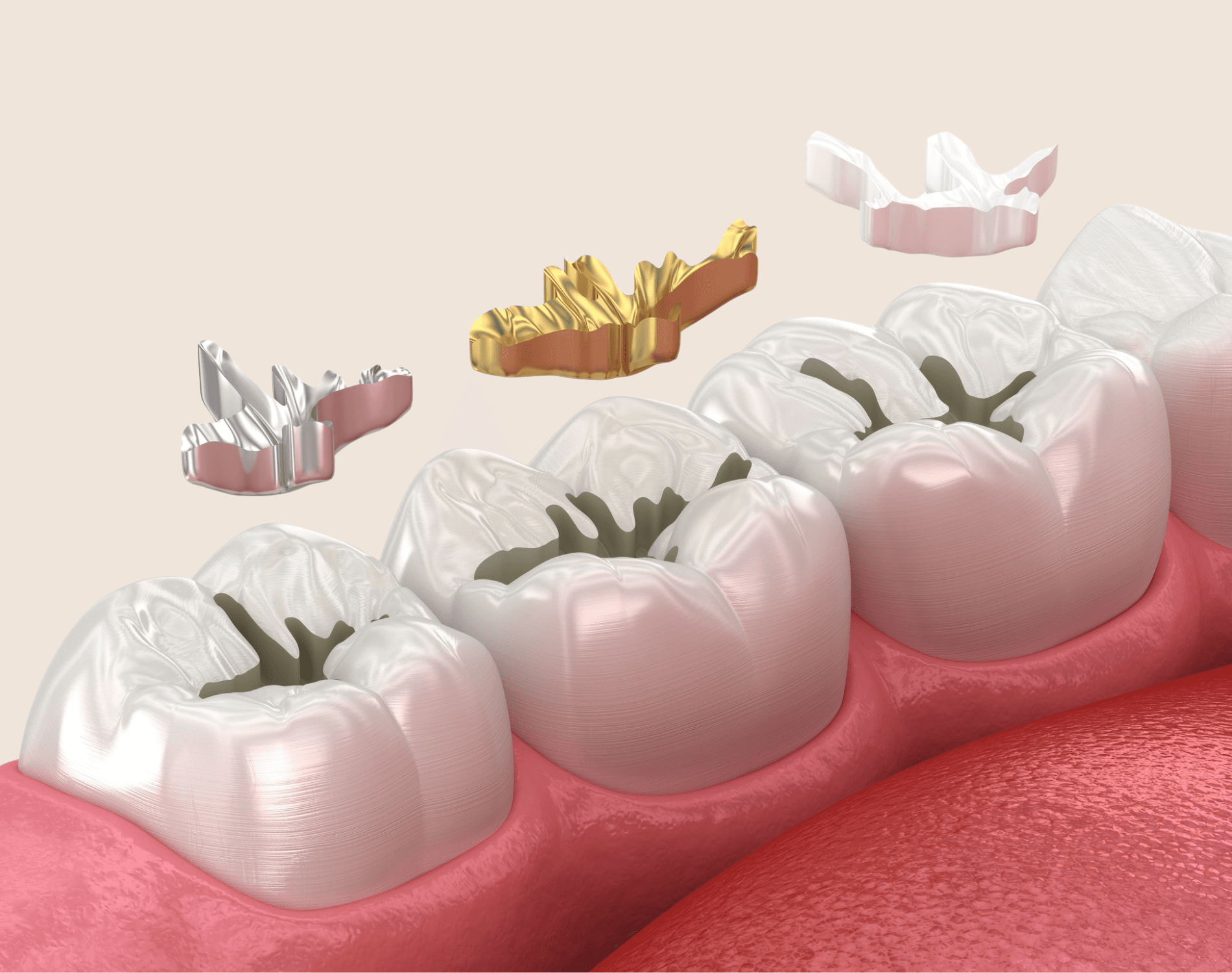
Ask us about fluoride varnish and dental sealants, two simple ways to add protection when daily brushing is a struggle.
When do sedation or general anesthesia make sense for a child with autism?
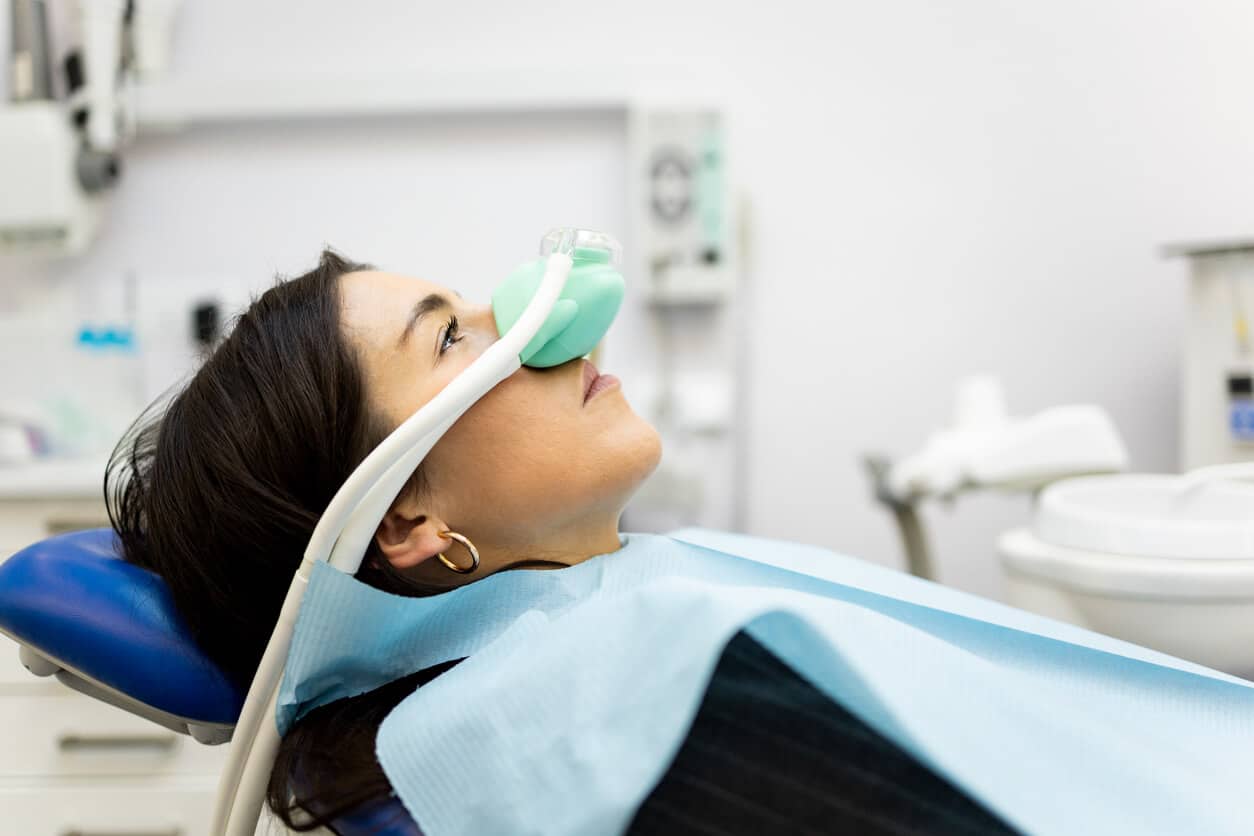
Sedation or general anesthesia makes sense when a child needs treatment, like fillings or extractions, that can't be done safely while awake despite preparation, or when visits cause so much distress that they're harmful. It isn't a failure of parenting or preparation. For many children, getting all care done in one calm visit is the kindest option.
For children who need a lot of treatment, hospital dentistry under general anesthesia lets everything be completed at once in a hospital operating room through AdventHealth, with an anesthesiologist managing anesthesia and your child fully monitored. Many families combine approaches: checkups and cleanings while awake, with the preparation steps above, and treatment under sedation or general anesthesia when it's needed. Our special needs dentistry is designed around that kind of flexible plan.
Questions Parents Ask
What if my child has a meltdown at the dentist?
It happens, and it doesn't mean the visit failed. The team can pause, give your child space and use whatever calming strategy works for them. Sometimes the goal for that day simply becomes sitting in the chair, and the rest waits for another visit.
Should I mention autism when I book the appointment?
Yes. Sharing it ahead of time lets the team plan extra time, the right room and the right approach before your child walks in. Treatment visits for children with autism are often scheduled with extra time, around 60 to 90 minutes.
How often should my child with autism see the dentist?
The AAPD generally recommends checkups every six months, or more often for children at higher risk of cavities. Regular, predictable visits also help: the more familiar the office becomes, the easier each visit tends to be.
Is there an autism-friendly dental office near Orlando?
Yes. Dr. Afsoon Elmore, DDS, cares for children with autism at our office in Maitland, just north of Orlando. Families come to us from Orlando, Winter Park, Altamonte Springs and across Central Florida.
How do I get started?
Call us and tell us about your child. Dr. Afsoon Elmore, DDS, and our team will listen first, then plan a first visit at your child's pace, whether that's a short familiarization visit or treatment under sedation. Visit our Maitland office, just north of Orlando, or call (407) 629-6464.
Ready to Take the Next Step?
Thoughtful Dental Care for Your Child Starts Here
Our team will guide you through every step — from evaluation to treatment — with clarity and care.