October 8, 2026
Filling, Crown or Pulpotomy? How We Decide What's Best for Your Child's Baby Tooth
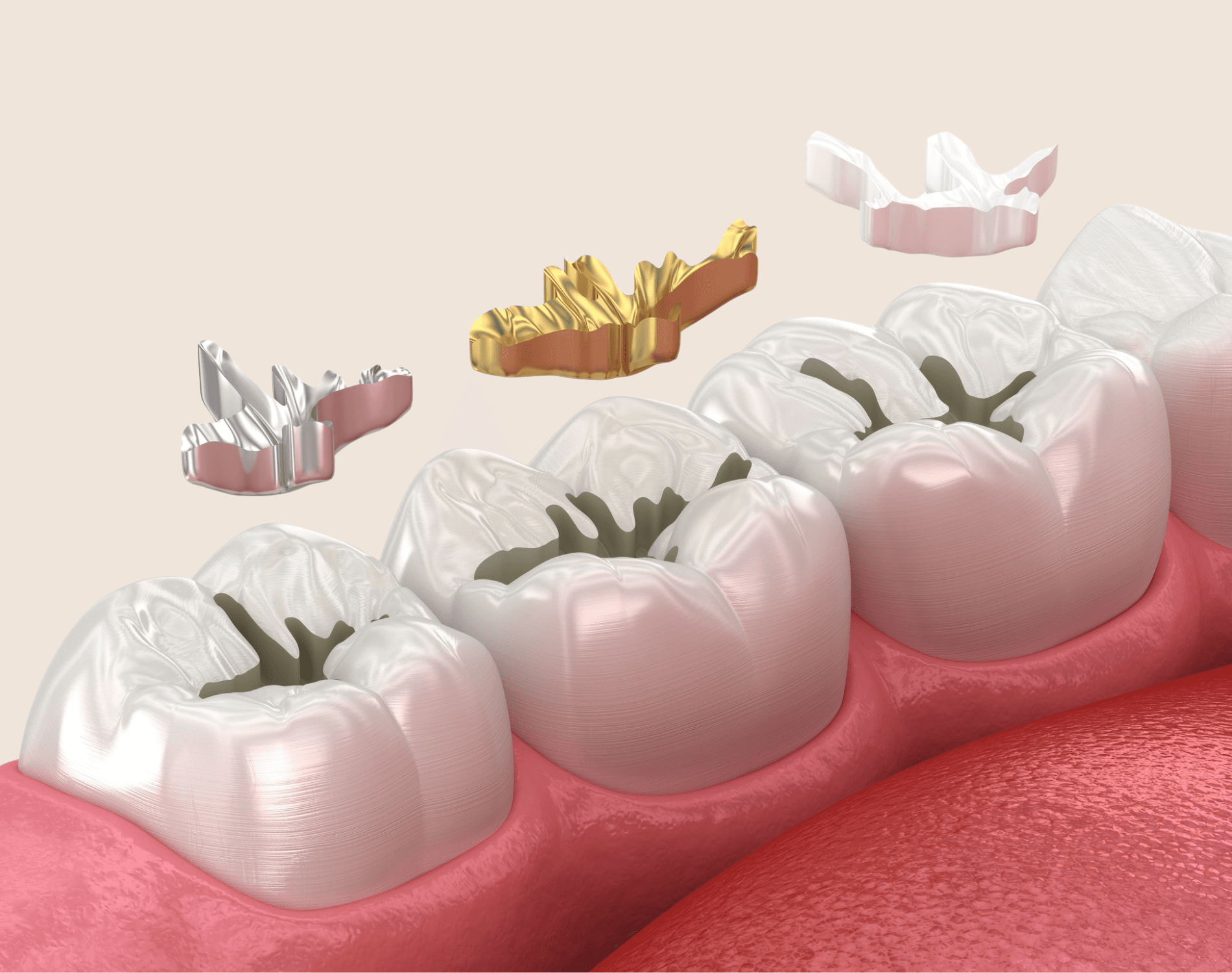
"It's just a baby tooth. Won't it fall out anyway?" It's one of the most common questions parents ask when we find a cavity, and it's a fair one. The answer depends on which tooth it is, how deep the decay goes and how long that tooth still has to do its job. This guide explains how we decide between a filling, a crown, a pulpotomy or an extraction, what each option involves, and what you can do at home to keep the rest of your child's teeth healthy.
Why do baby teeth need treatment if they fall out anyway?
Baby teeth hold space for permanent teeth, help children chew a full range of foods and support clear speech. The back baby molars often stay until age 10 to 12, so a cavity found at age 4 has years to grow. Untreated decay can cause pain, infection and early tooth loss that crowds the adult teeth.
Cavities in baby teeth are very common. The Centers for Disease Control and Prevention (CDC) reports that more than half of children aged 6 to 8 have had a cavity in at least one baby tooth. Baby teeth also have thinner enamel than adult teeth, so decay can reach the nerve faster. A small cavity that's left alone for a year can become a toothache, a dental abscess or a tooth that has to be pulled. The American Academy of Pediatric Dentistry (AAPD) notes that untreated decay can affect how children eat, sleep and focus at school.
What do we look at when deciding how to treat a baby tooth?
Four things guide the choice: how large the cavity is and how many surfaces it covers, whether decay has reached the nerve (the pulp), how long the tooth needs to last before it falls out naturally, and your child's overall cavity risk. An exam, X-rays and your child's symptoms help answer each one.
- Size and location of the cavity. A small cavity on one surface can usually be filled. When decay spreads across several surfaces of a baby molar, a crown tends to last longer than a large filling.
- Whether the nerve is involved. Brief sensitivity to sweets or cold that fades quickly usually means the nerve is irritated but healthy. Pain that lingers, wakes your child at night or comes with swelling or a pimple-like bump on the gum suggests the nerve is damaged or infected.
- How long until the tooth falls out. X-rays show how much of the root has dissolved and where the permanent tooth is. A tooth due to fall out in a few months may just need monitoring or removal; one that needs to last five more years deserves a durable repair.
- Your child's cavity risk. A child with several cavities, or one being treated under sedation or general anesthesia, benefits from the most durable option, so the same tooth doesn't need treatment again.
- Front tooth or back tooth. Front teeth matter more for appearance; back molars take the heaviest chewing forces.
When is a filling enough?
A filling is usually enough when the cavity is small to moderate, limited to one or two surfaces, and hasn't reached the nerve. We remove the decay and fill the space, most often with tooth-colored material. Fillings keep the most natural tooth, are quick to place and work well when the rest of the tooth is strong.
Tooth-colored fillings bond to the tooth and blend in, which makes them a natural choice for small cavities and for front teeth. They do need a dry tooth while they're placed, so a wiggly child or a cavity near the gumline can make that harder. On baby molars with larger cavities, big fillings are more likely to break or leak over time than a crown would be. You can learn more on our pages about dental fillings for kids and tooth-colored white fillings.
When does a baby tooth need a crown instead?
A crown is usually the better choice when decay covers several surfaces, when too little healthy tooth is left to hold a filling, after a pulpotomy, or when a child is at high risk for new cavities. A crown covers the whole tooth, protecting it from breaking and from new decay until it falls out.
There are three main types for baby teeth, and each one has trade-offs:
- Stainless steel crowns are the most durable and forgiving option. They're preformed, need the least tooth removed and hold up well even when little tooth is left. The AAPD recognizes them as a dependable long-term choice for baby molars with extensive decay. The trade-off is a silver color, which matters less on back teeth. Read more about stainless steel crowns for kids.
- White zirconia crowns are strong and tooth-colored, so they look natural in a smile. They need more of the tooth shaped, a dry working area and healthy, non-bleeding gums, which is why they suit some teeth and some children better than others. See our page on white crowns.
- Pre-veneered crowns pair a metal crown with a tooth-colored front. They look natural from the front and are sturdy, but the facing can chip over time. Learn about NuSmile crowns.
We'll talk through the balance of durability, appearance and how much tooth remains, and recommend what fits your child's tooth best.
What is a pulpotomy, and when does a tooth need one?
A pulpotomy, often called a baby root canal, removes the inflamed or infected part of the nerve in the crown of a baby tooth while keeping the healthy nerve in the roots. It's used when decay reaches the pulp but the roots are still healthy, and it's usually followed by a crown to protect the weakened tooth.
The tooth is numbed first, so the procedure feels much like a filling to most children. A medicated material is placed over the remaining nerve, and the tooth is sealed and covered. If infection has already spread into the roots or the surrounding bone, a pulpotomy is no longer enough, and the tooth may need more involved nerve treatment or removal. That's why early signs like lingering pain are worth a prompt visit. More details are on our pulpotomy (baby root canal) page.
When is extraction plus a space maintainer the better option?
Extraction is recommended when a baby tooth can't be predictably saved: infection has spread into the bone, the tooth is broken below the gumline, or it's close to falling out anyway. If a back baby tooth comes out years early, a space maintainer keeps neighboring teeth from drifting into the gap the permanent tooth needs.
Without that space, the adult tooth can come in crooked, blocked or not at all, which can mean more involved orthodontic work later. The AAPD recommends considering space maintenance whenever a baby molar is lost early. A space maintainer is usually a small metal band and wire that stays in place until the permanent tooth starts to come in. Read more about tooth extractions for kids and space maintainers.
What can parents do to protect their child's teeth after treatment?
Brush twice a day with fluoride toothpaste, floss where teeth touch, limit sticky and sugary snacks and all-day sipping, offer only water at bedtime and keep regular checkups. A filling or crown protects one tooth; daily habits protect the rest. One cavity often signals a higher risk for more.
A few specific habits make a real difference:
- Help with brushing until your child can tie their shoes on their own; most young children miss the back molars.
- Floss the tight spots between back teeth, where many baby-tooth cavities start.
- Group snacks into set times instead of grazing, and save juice for mealtimes, if at all.
- No bottle or sippy cup of milk or juice in bed.
- Ask about extra protection: dental sealants and fluoride varnish help shield the chewing surfaces of back teeth.
- Call us if you notice swelling, a bump on the gum, pain that wakes your child, or a crown or filling that feels loose.
Questions Parents Ask
Does my child need to be asleep for a filling or crown?
Usually not. Most single fillings and crowns are done with local numbing, sometimes with nitrous oxide to help a child relax. When many teeth need work, or a child is very young or anxious, sedation dentistry for kids or general anesthesia lets everything be done in one visit.
Will a stainless steel crown affect the permanent tooth?
No. The crown sits on the baby tooth only, and it falls out with that tooth when the permanent tooth is ready to come in. It doesn't harm the adult tooth developing underneath.
Are white crowns as strong as stainless steel crowns?
Zirconia crowns are very strong, but stainless steel crowns remain the most forgiving choice, especially when little tooth is left or keeping the tooth dry is difficult. For front teeth and visible molars, white crowns are often a great fit.
Does a pulpotomy hurt?
The tooth is fully numbed, so most children feel only pressure. Some soreness afterward is normal for a day or two and usually eases with an over-the-counter pain reliever given as directed.
How do I get started?
If your child has a cavity, a toothache or a treatment plan you'd like a second look at, we're happy to walk you through the options for each tooth. Book a visit at our Maitland office, just north of Orlando, or call (407) 629-6464. Families come to us from Orlando and across Central Florida.


Ready to Take the Next Step?
Thoughtful Dental Care for Your Child Starts Here
Our team will guide you through every step — from evaluation to treatment — with clarity and care.